
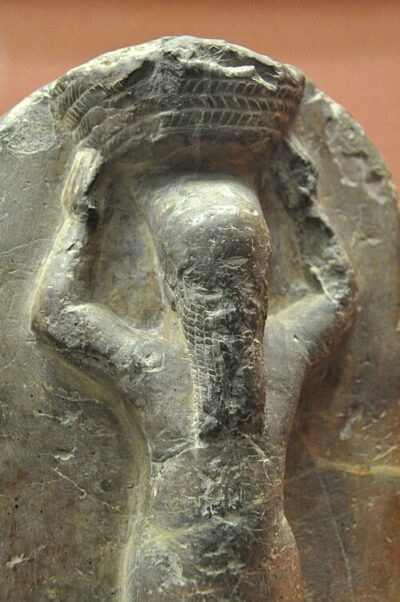
Shamash-shum-ukin
Shamash-shum-ukin was a Babylonian king. Born 670s BC. Died July 12, 648 BC, in Babylon. Positions held include King of Babylon (-668–-648).
Facts
10 facts · 0 confirmed by two sources · 0 cited · 10 from one source
Where this comes from
Papalocal keeps its own record. It started from these sources; what each one said is kept here as it was copied, so a change on their side never changes this page by itself. Tap one to read its version.
What Wikidata says · copied November 16, 2026 · revision 2513344437
- Described as
- Babylonian king
- Other names
- Šamaš-šuma-ukin
- Born
- 670s BC
- Died
- July 12, 648 BC
- Died in
- Babylon · 1 reference
- Cause of death
- self-immolation
- Citizen of
- Babylonia
- Occupation
- sovereign
- Positions held
- King of Babylon (-668–-648)
- Father
- Esarhaddon
- Mother
- Ešar-ḫamat
- Siblings
- Ashurbanipal
- Wikipedias with a page
- 29
Wikidata item Q391038 (wikidata.org/wiki/Q391038), public domain (CC0). Copied November 16, 2026.
What Wikipedia says · copied November 16, 2026 · revision 1343418560
Šamaš-šuma-ukin (Neo-Assyrian Akkadian: 𒌋𒌋𒈬𒁺, romanized: Šamaš-šuma-ukin or Šamaš-šumu-ukīn, meaning "Shamash has established the name"), was king of Babylon as a vassal of the Neo-Assyrian Empire from 668 BC to his death in 648. Born into the Assyrian royal family, Šamaš-šuma-ukin was the son of the Neo-Assyrian king Esarhaddon and the elder brother of Esarhaddon's successor Ashurbanipal.
Despite being the elder son, Šamaš-šuma-ukin was for unknown reasons bypassed as heir to Assyria. His designation as heir to Babylonia was likely devised by Esarhaddon as a means to counteract future rivalry and jealousy between the brothers. Although Esarhaddon specified that Šamaš-šuma-ukin was to swear an oath of allegiance to Ashurbanipal, the clear primary heir, Šamaš-šuma-ukin was also referred to as Ashurbanipal's "equal brother" and Ashurbanipal was to stay out of his affairs. This part of the succession plans were not upheld by Ashurbanipal after Esarhaddon's death; Šamaš-šuma-ukin only acceded to the Babylonian throne months after Ashurbanipal had become king and was throughout his reign a closely monitored vassal, not entrusted with all of Babylonia or substantial military forces and only allowed to make decisions if they were approved and verified by Ashurbanipal.
Šamaš-šuma-ukin assimilated well into Babylonia, despite being ethnically and culturally Assyrian. His royal inscriptions are far more "quintessentially Babylonian" than those of other Assyrian rulers of southern Mesopotamia, using Babylonian imagery and rhetoric to an unprecedented extent. He participated in the Babylonian New Year's festival and is recorded as partaking in other Babylonian traditions. The Statue of Marduk, the main cult image of Babylon's patron deity Marduk, was returned to Babylon in 668 at Šamaš-šuma-ukin's coronation, having been stolen from the city by his grandfather Sennacherib twenty years prior.
Though Šamaš-šuma-ukin maintained peaceful relations with his younger brother for many years, resentment gradually grew between them due to Ashurbanipal's overbearing control. In 652, Šamaš-šuma-ukin revolted, inspiring the Babylonians to join him and recruiting a coalition of enemies of Assyria, including the Elamites, Chaldeans, Arameans and perhaps the Medes. Though the conflict was initially indecisive, it eventually ended in disaster for Šamaš-šuma-ukin. Babylon was captured by Ashurbanipal in 648 after a lengthy siege and Šamaš-šuma-ukin died, though the exact circumstances of his death are unclear. After his defeat and death there is evidence of a large-scale damnatio memoriae campaign, with images of the king being mutilated, erasing his face.
From the Wikipedia article “Šamaš-šuma-ukin” (en.wikipedia.org/wiki/Šamaš-šuma-ukin), by its contributors, under CC BY-SA 4.0 (creativecommons.org/licenses/by-sa/4.0/). Copied November 16, 2026; not changed.
Confirmed Two sources agree. Cited One source, and it names where it got it. One source One source, without a reference of its own. Sources disagree The sources disagree. We show the best-supported value and keep theirs below.
