
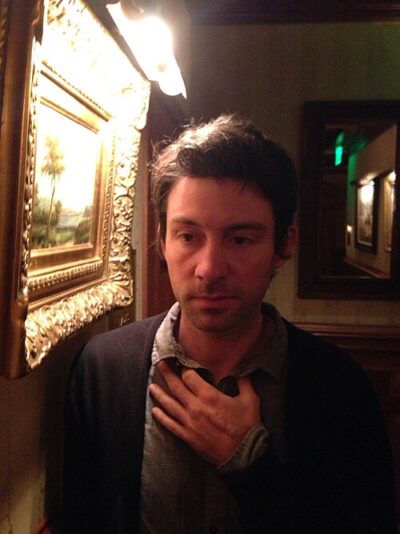
Shane Carruth
Shane Carruth is a film producer, actor, screenwriter. Born 1972, in Myrtle Beach. Educated at Stephen F. Austin State University and J. J. Pearce High School. Awards include Alfred P. Sloan Prize and Sundance Film Festival U.S. Dramatic Grand Jury Prize Award.
Facts
15 facts · 0 confirmed by two sources · 6 cited · 9 from one source
Where this comes from
Papalocal keeps its own record. It started from these sources; what each one said is kept here as it was copied, so a change on their side never changes this page by itself. Tap one to read its version.
What Wikidata says · copied November 18, 2026 · revision 2567772575
- Described as
- film producer, actor, screenwriter
- Born
- 1972 · 4 references
- Born in
- Myrtle Beach · 1 reference
- Citizen of
- United States
- Occupation
- screenwriter · 1 reference; film producer; film director · 1 reference; actor · 4 references; musician · 1 reference; film editor; television actor · 1 reference; film actor · 1 reference
- Education
- Stephen F. Austin State University; J. J. Pearce High School · 1 reference
- Awards
- Alfred P. Sloan Prize (2004) · 1 reference; Sundance Film Festival U.S. Dramatic Grand Jury Prize Award (2004)
- Wikipedias with a page
- 16
Wikidata item Q3481357 (wikidata.org/wiki/Q3481357), public domain (CC0). Copied November 18, 2026.
What Wikipedia says · copied November 18, 2026 · revision 1384787131
Shane Carruth (born 1972) is an American filmmaker, known for science-fiction features in which he has filled numerous jobs, including producer, director, screenwriter, composer, and actor. These include his prize-winning debut Primer (2004) and Upstream Color (2013). In reference to Carruth's unusual filmmaking technique, director Steven Soderbergh described him as "the illegitimate offspring of David Lynch and James Cameron."
From the Wikipedia article “Shane Carruth” (en.wikipedia.org/wiki/Shane_Carruth), by its contributors, under CC BY-SA 4.0 (creativecommons.org/licenses/by-sa/4.0/). Copied November 18, 2026; not changed.
Confirmed Two sources agree. Cited One source, and it names where it got it. One source One source, without a reference of its own. Sources disagree The sources disagree. We show the best-supported value and keep theirs below.
