
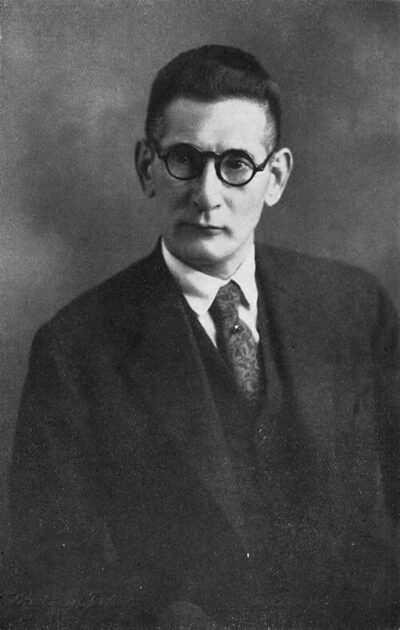
Shūmei Ōkawa
Shūmei Ōkawa was a Japanese nationalist intellectual. Born December 6, 1886, in Sakata. Died December 24, 1957, in Kominka Yamajū-tei. Educated at Tokyo Imperial University and Fifth High School.
Facts
21 facts · 2 confirmed by two sources · 1 cited · 18 from one source
Where this comes from
Papalocal keeps its own record. It started from these sources; what each one said is kept here as it was copied, so a change on their side never changes this page by itself. Tap one to read its version.
What Wikidata says · copied November 18, 2026 · revision 2546550579
- Described as
- Japanese nationalist intellectual (1886–1957)
- Other names
- Ōkawa Shūmei, Shumei Okawa, Shuumei Oukawa
- Born
- December 6, 1886 · 1 reference
- Died
- December 24, 1957 · 1 reference
- Born in
- Sakata
- Died in
- Kominka Yamajū-tei
- Buried in
- Ryūsen-ji Temple
- Cause of death
- asthma
- Citizen of
- Japan; Empire of Japan (–1947)
- Occupation
- linguist; historian; translator; writer; university teacher; journalist; political scientist · 1 reference
- Worked for
- Takushoku University; Hosei University · 1 reference
- Education
- Tokyo Imperial University; Fifth High School
- Field
- history of Japan
- Religion
- Islam
- Wikipedias with a page
- 21
Wikidata item Q385236 (wikidata.org/wiki/Q385236), public domain (CC0). Copied November 18, 2026.
What Wikipedia says · copied November 18, 2026 · revision 1378674859
Shūmei Ōkawa (大川 周明, Ōkawa Shūmei; 6 December 1886 – 24 December 1957) was a Japanese nationalist and writer, known for his publications on Japanese history, philosophy of religion, Indian philosophy, and colonialism.
Ōkawa advocated a form of Pan-Asianism which promoted Asian solidarity as a cover for Japanese imperialism and beliefs in Japanese racial supremacy. He co-founded the Japanese radical nationalist group Yūzonsha, and in 1926 he published his most influential work: Japan and the Way of the Japanese (Nihon oyobi Nihonjin no michi), which was so popular that it would be reprinted 46 times by the end of World War II. Ōkawa was also involved in a number of attempted coups d'état by the Japanese military, including the March Incident. After his arrest following the March incident, Ōkawa was protected by the intervention of General Kazushige Ugaki, and received a sentence of five years in prison, of which he served two years. He continued to publish numerous books and articles, helping popularize the idea that a "clash of civilizations" between the East and West was inevitable, and that Japan was destined to be the liberator and protector of Asia against the United States and other Western nations.
In the Tokyo tribunal after the end of World War II, Ōkawa was prosecuted as a class-A war criminal based on his role as an ideologue. The Allies described him as the "Japanese Goebbels", and of the twenty-eight people indicted with this charge, he was the only one not a military officer or government official. The case against him was dropped when he was found mentally unfit to stand trial. Ōkawa's writings were used in the final verdict as part of the evidence for the crime of conspiracy to commit aggression.
- Born, in its opening lines
- December 6, 1886
- Died, in its opening lines
- December 24, 1957
From the Wikipedia article “Shūmei Ōkawa” (en.wikipedia.org/wiki/Shūmei_Ōkawa), by its contributors, under CC BY-SA 4.0 (creativecommons.org/licenses/by-sa/4.0/). Copied November 18, 2026; not changed.
Confirmed Two sources agree. Cited One source, and it names where it got it. One source One source, without a reference of its own. Sources disagree The sources disagree. We show the best-supported value and keep theirs below.
