
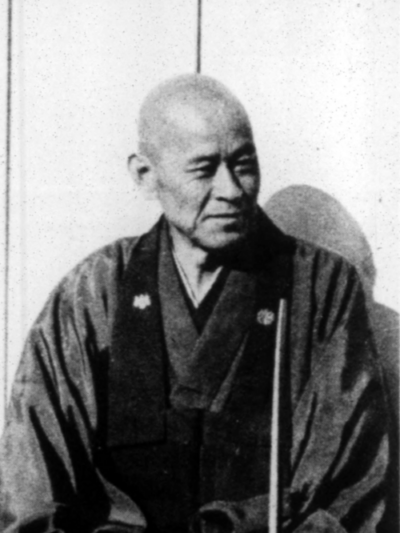
Shunryu Suzuki
Shunryu Suzuki was a Japanese Buddhist missionary. Born May 18, 1904, in Hiratsuka. Died December 4, 1971, in San Francisco. Educated at Komazawa University.
Facts
12 facts · 2 confirmed by two sources · 1 cited · 9 from one source
Where this comes from
Papalocal keeps its own record. It started from these sources; what each one said is kept here as it was copied, so a change on their side never changes this page by itself. Tap one to read its version.
What Wikidata says · copied November 18, 2026 · revision 2567386902
- Described as
- Japanese Buddhist missionary (1904–1971)
- Born
- May 18, 1904 · 2 references
- Died
- December 4, 1971 · 2 references
- Born in
- Hiratsuka
- Died in
- San Francisco · 1 reference
- Citizen of
- Japan; Empire of Japan (–1947)
- Occupation
- missionary; Buddhist monk; writer · 1 reference; philosopher · 1 reference
- Education
- Komazawa University
- Religion
- Zen
- Wikipedias with a page
- 22
Wikidata item Q572599 (wikidata.org/wiki/Q572599), public domain (CC0). Copied November 18, 2026.
What Wikipedia says · copied November 18, 2026 · revision 1380125447
Shunryu Suzuki (鈴木 俊隆 Suzuki Shunryū, dharma name Shōgaku Shunryū 祥岳俊隆, often called Suzuki Roshi; May 18, 1904 – December 4, 1971) was a Sōtō Zen monk and teacher who helped popularize Zen Buddhism in the United States, and is renowned for founding the first Zen Buddhist monastery outside Asia (Tassajara Zen Mountain Center). Suzuki founded San Francisco Zen Center which, along with its affiliate temples, comprises one of the most influential Zen organizations in the United States. A book of his teachings, Zen Mind, Beginner's Mind, is one of the most popular books on Zen and Buddhism in the West.
- Born, in its opening lines
- May 18, 1904
- Died, in its opening lines
- December 4, 1971
From the Wikipedia article “Shunryū Suzuki” (en.wikipedia.org/wiki/Shunryū_Suzuki), by its contributors, under CC BY-SA 4.0 (creativecommons.org/licenses/by-sa/4.0/). Copied November 18, 2026; not changed.
Confirmed Two sources agree. Cited One source, and it names where it got it. One source One source, without a reference of its own. Sources disagree The sources disagree. We show the best-supported value and keep theirs below.
