
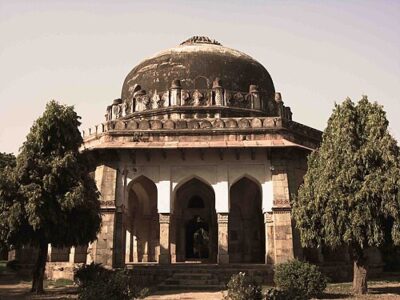
Sikandar Khan Lodi
Sikandar Khan Lodi was a Sultan of Delhi from 1489 to 1517. Born July 17, 1458. Died November 21, 1517, in Delhi. Positions held include Sultan of Hindustan (Sultan of Delhi) (1489–1517).
Facts
10 facts · 2 confirmed by two sources · 1 cited · 7 from one source
Where this comes from
Papalocal keeps its own record. It started from these sources; what each one said is kept here as it was copied, so a change on their side never changes this page by itself. Tap one to read its version.
What Wikidata says · copied November 17, 2026 · revision 2554144233
- Described as
- Sultan of Delhi from 1489 to 1517
- Born
- July 17, 1458
- Died
- November 21, 1517
- Died in
- Delhi
- Buried in
- Lodi Gardens · 1 reference
- Citizen of
- Delhi Sultanate
- Occupation
- politician · 1 reference
- Positions held
- Sultan of Hindustan (Sultan of Delhi) (1489–1517)
- Children
- Ibrahim Khan Lodi
- Father
- Bahlul Khan Lodi
- Religion
- Islam
- Wikipedias with a page
- 27
Wikidata item Q2597227 (wikidata.org/wiki/Q2597227), public domain (CC0). Copied November 17, 2026.
What Wikipedia says · copied November 17, 2026 · revision 1385981127
Sikandar Lodi (Persian: سکندر لودی; 17 July 1458 – 21 November 1517), born Nizamudin Loadu (Persian: نظام ) also known as Sikandar II, was Sultan of the Delhi Sultanate between 1489 and 1517. He became ruler of the Lodi dynasty after the death of his father Bahlul Lodi in July 1489. The second and most successful ruler of the Lodi dynasty of the Delhi Sultanate, he was also a poet of the Persian language and prepared a diwan of 9000 verses. He made an effort to recover the lost territories which once were a part of the Delhi Sultanate and was able to expand the territory controlled by the Lodi Dynasty.
- Born, in its opening lines
- July 17, 1458
- Died, in its opening lines
- November 21, 1517
From the Wikipedia article “Sikandar Khan Lodi” (en.wikipedia.org/wiki/Sikandar_Khan_Lodi), by its contributors, under CC BY-SA 4.0 (creativecommons.org/licenses/by-sa/4.0/). Copied November 17, 2026; not changed.
Confirmed Two sources agree. Cited One source, and it names where it got it. One source One source, without a reference of its own. Sources disagree The sources disagree. We show the best-supported value and keep theirs below.
