
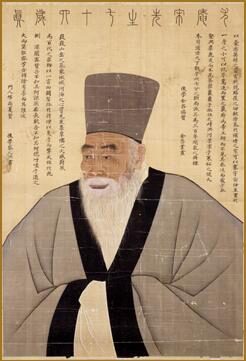
Song Si-yŏl
Song Si-yŏl was a Korean philosopher. Born 1607, in Okcheon County. Died 1689.
Facts
13 facts · 2 confirmed by two sources · 0 cited · 11 from one source
Where this comes from
Papalocal keeps its own record. It started from these sources; what each one said is kept here as it was copied, so a change on their side never changes this page by itself. Tap one to read its version.
What Wikidata says · copied November 18, 2026 · revision 2559114827
- Described as
- Korean philosopher (1607-1689)
- Other names
- Song Siyeol, Song Si-yeol, Song Si-yol
- Born
- 1607 · 1 reference
- Died
- 1689 · 1 reference
- Born in
- Okcheon County
- Cause of death
- poison
- Citizen of
- Joseon
- Occupation
- philosopher; autobiographer; politician · 1 reference; poet · 1 reference; civil servant
- Member of
- Noron · 1 reference; The eighteen sages of Korea · 1 reference
- Religion
- Confucianism
- Wikipedias with a page
- 22
Wikidata item Q379647 (wikidata.org/wiki/Q379647), public domain (CC0). Copied November 18, 2026.
What Wikipedia says · copied November 18, 2026 · revision 1349437898
Song Si-yŏl (Korean: 송시열; 1607–1689), also known by his art names Uam (우암) and Ujae (우재) or by the honorific Master Song (송자; 宋子; Songja), was a Korean philosopher and politician. Born in Okcheon, North Chungcheong Province, he was known for his concern with the problems of the common people. He served in governmental service for more than fifty years, and his name features over 3,000 times in the Veritable Records of the Joseon Dynasty, the greatest frequency that any individual is mentioned. He was executed by the royal court for writing an inflammatory letter to the king.
There is a monument to him in his hometown.
He is also known as the calligrapher who inscribed an epitaph (Chungyeolmyobi Takboncheop) in dedication of Admiral Yi Sunsin, which is preserved at the Chungnyeolsa Shrine (historical site No. 236). He was from the Eunjin Song clan and was close friends with one of his distant relatives, Song Chun-gil.
- Born, in its opening lines
- 1607
- Died, in its opening lines
- 1689
From the Wikipedia article “Song Si-yŏl” (en.wikipedia.org/wiki/Song_Si-yŏl), by its contributors, under CC BY-SA 4.0 (creativecommons.org/licenses/by-sa/4.0/). Copied November 18, 2026; not changed.
Confirmed Two sources agree. Cited One source, and it names where it got it. One source One source, without a reference of its own. Sources disagree The sources disagree. We show the best-supported value and keep theirs below.
