
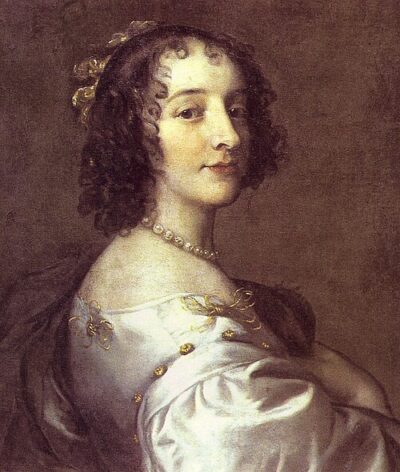
Sophia of Hanover
Sophia of Hanover was a Princess of the Palatinate, Electress of Hanover, heir presumptive and ancestor of British monarchs following the Act of Settlement 1701. Born October 14, 1630, in The Hague. Died June 8, 1714, in Herrenhausen-Stöcken. Positions held include Electress.
Facts
33 facts · 2 confirmed by two sources · 14 cited · 17 from one source
Where this comes from
Papalocal keeps its own record. It started from these sources; what each one said is kept here as it was copied, so a change on their side never changes this page by itself. Tap one to read its version.
What Wikidata says · copied November 16, 2026 · revision 2563992830
- Described as
- Princess of the Palatinate, Electress of Hanover, heir presumptive and ancestor of British monarchs following the Act of Settlement 1701
- Other names
- Sophia of the Palatinate, Sophie von der Pfalz, Sophia, Electress of Hanover, Sophie, Prinzessin von der Pfalz, Sophie von Hannover, Sophia, Duchess of Brunswick-Lüneburg, Sophia
- Born
- October 14, 1630 · 8 references
- Died
- June 8, 1714 · 9 references
- Born in
- The Hague · 1 reference
- Died in
- Herrenhausen-Stöcken · 2 references
- Buried in
- Welf family mausoleum · 1 reference
- Cause of death
- myocardial infarction
- Citizen of
- Germany
- Occupation
- politician; ruler
- Positions held
- Electress
- Spouse
- Ernest Augustus, Elector of Brunswick-Lüneburg (1658–) · 2 references
- Children
- George I of Great Britain · 1 reference; Maximilian William of Brunswick-Lüneburg; Sophia Charlotte of Hanover; Ernest Augustus, Duke of York and Albany; Friedrich August Hanover, Prince of Hanover · 2 references; Christian Heinrich Hanover · 2 references; child1 Hanover · 2 references; child2 Hanover · 2 references; son1 Hanover · 2 references; Charles Philip, Prince of Hanover
- Father
- Frederick V of the Palatinate · 1 reference
- Mother
- Elizabeth Stuart, Queen of Bohemia · 1 reference
- Siblings
- Louise Hollandine of the Palatinate; Elisabeth of the Palatinate; Henriette Marie of the Palatinate; Charles I Louis, Elector Palatine · 1 reference; Maurice of the Palatinate; Prince Rupert of the Rhine · 1 reference; Philip Frederick of the Palatinate; Henry Frederick, Hereditary Prince of the Palatinate; Gustavus Adolphus of the Palatinate; Edward, Count Palatine of Simmern
- Wikipedias with a page
- 46
Wikidata item Q57224 (wikidata.org/wiki/Q57224), public domain (CC0). Copied November 16, 2026.
What Wikipedia says · copied November 16, 2026 · revision 1385248020
Sophia (German: Sophie, [zoˈfiː]; 14 October [O.S. 4 October] 1630 – 8 June [O.S. 28 May] 1714) was Electress of Hanover from 1692 to 1698 as the consort of Prince-Elector Ernest Augustus. She was later the heiress presumptive to the thrones of England (later Great Britain following the Act of Union with Scotland in 1707), and Ireland under the Act of Settlement 1701, as she was the granddaughter of King James VI and I. Sophia died less than two months before she would have become Queen of Great Britain and Ireland. Consequently, her son George succeeded her first cousin once removed, Queen Anne, to the British throne. The succession to the throne has since been composed entirely of, and legally defined as, Sophia's legitimate Protestant descendants.
Sophia was born in The Hague to Frederick V, formerly Elector Palatine and King of Bohemia, and Elizabeth Stuart, daughter of King James VI and I. She grew up in the Dutch Republic, where her family had sought refuge after the sequestration of their Electorate during the Thirty Years' War. During this time, the English Stuarts also went into exile and Sophia was courted by her cousin, Charles II of England.
Sophia instead married Prince Ernest Augustus, her third cousin, in 1658. Despite his temper and frequent absences, Sophia loved him and bore him seven children who survived to adulthood. Born a landless cadet, Ernest Augustus succeeded in having the House of Hanover raised to electoral dignity in 1692. As a result, Princess Sophia became Electress of Hanover, the title by which she is best remembered. A patron of the arts, Sophia commissioned Herrenhausen Palace and its gardens and sponsored philosophers, such as Gottfried Leibniz and John Toland.
- Born, in its opening lines
- October 14, 1630
- Died, in its opening lines
- June 8, 1714
From the Wikipedia article “Sophia of Hanover” (en.wikipedia.org/wiki/Sophia_of_Hanover), by its contributors, under CC BY-SA 4.0 (creativecommons.org/licenses/by-sa/4.0/). Copied November 16, 2026; not changed.
Confirmed Two sources agree. Cited One source, and it names where it got it. One source One source, without a reference of its own. Sources disagree The sources disagree. We show the best-supported value and keep theirs below.
