
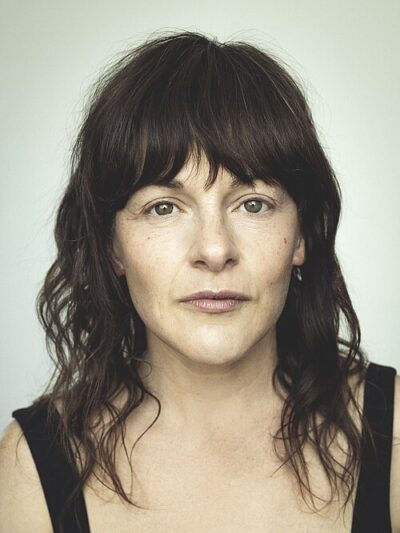
Sophie Cadieux is a Canadian actress. Born August 25, 1977, in Quebec. Educated at Conservatoire d'art dramatique de Montréal.
Facts
11 facts · 1 confirmed by two sources · 5 cited · 5 from one source
Where this comes from
Papalocal keeps its own record. It started from these sources; what each one said is kept here as it was copied, so a change on their side never changes this page by itself. Tap one to read its version.
What Wikidata says · copied November 20, 2026 · revision 2539167489
- Described as
- Canadian actress
- Born
- August 25, 1977 · 1 reference
- Born in
- Quebec · 1 reference
- Citizen of
- Canada
- Occupation
- actor; stage actor · 1 reference; theatre director; screenwriter · 1 reference
- Education
- Conservatoire d'art dramatique de Montréal · 1 reference
- Member of
- Quebec council of theater · 1 reference
- Field
- theatre · 1 reference
- Lived in
- Montreal · 1 reference
- Wikipedias with a page
- 8
Wikidata item Q3490874 (wikidata.org/wiki/Q3490874), public domain (CC0). Copied November 20, 2026.
What Wikipedia says · copied November 20, 2026 · revision 1383839383
Sophie Cadieux (born August 25, 1977) is a Canadian actress from Quebec. She is most noted for her role as Valérie Danault in the television series Lâcher prise, for which she won the Prix Gémeaux for Best Actress in a Comedy Series in 2017, 2018 and 2020.
She studied theatre at the Conservatoire d'art dramatique de Montréal from 1998 to 2001. She has an improvisational theater background from her time in the Quebec improvisational leagues of the Mouvement d'improvisation de Montmorency (MIM), the Limonade, the Ligue d'improvisation montréalaise (LIM), the Cravates, and the renowned Ligue nationale d'improvisation (LNI).
- Born, in its opening lines
- August 25, 1977
From the Wikipedia article “Sophie Cadieux” (en.wikipedia.org/wiki/Sophie_Cadieux), by its contributors, under CC BY-SA 4.0 (creativecommons.org/licenses/by-sa/4.0/). Copied November 20, 2026; not changed.
Confirmed Two sources agree. Cited One source, and it names where it got it. One source One source, without a reference of its own. Sources disagree The sources disagree. We show the best-supported value and keep theirs below.
