
Stephen III of Hungary
Stephen III of Hungary was a King of Hungary and Croatia. Born January 1, 1147, in Székesfehérvár. Died March 4, 1172, in Kingdom of Hungary. Positions held include Apostolic King of Hungary (1162–1172).
Facts
19 facts · 0 confirmed by two sources · 0 cited · 19 from one source
Where this comes from
Papalocal keeps its own record. It started from these sources; what each one said is kept here as it was copied, so a change on their side never changes this page by itself. Tap one to read its version.
What Wikidata says · copied November 16, 2026 · revision 2568950182
- Described as
- King of Hungary and Croatia (1147-1172)
- Other names
- Stephen III
- Born
- January 1, 1147
- Died
- March 4, 1172
- Born in
- Székesfehérvár
- Died in
- Kingdom of Hungary
- Buried in
- Esztergom
- Citizen of
- Hungary
- Occupation
- politician; monarch
- Positions held
- Apostolic King of Hungary (1162–1172) · 1 reference
- Political party
- politician before the emergence of political parties
- Spouse
- Yaroslavna of Halych; Agnes of Austria, Queen of Hungary (1167–) · 1 reference
- Children
- Béla, Heir of Hungary · 1 reference
- Father
- Géza II of Hungary
- Mother
- Euphrosyne of Kyiv
- Siblings
- Helena of Hungary; Elizabeth of Hungary, Duchess of Bohemia; Béla III of Hungary; Géza, royal prince of Hungary
- Wikipedias with a page
- 45
Wikidata item Q87051 (wikidata.org/wiki/Q87051), public domain (CC0). Copied November 16, 2026.
What Wikipedia says · copied November 16, 2026 · revision 1358745886
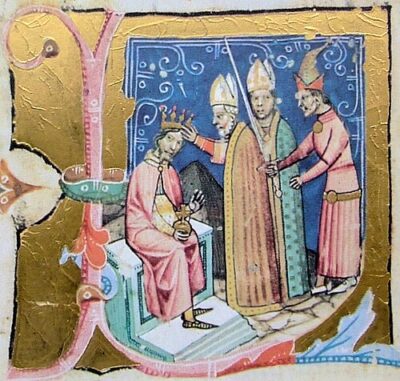
Stephen III (Hungarian: III. István, Croatian: Stjepan III.; Slovak: Štefan III.; summer of 1147 – 4 March 1172) was King of Hungary and Croatia between 1162 and 1172. He was crowned king in early June 1162, shortly after the death of his father, Géza II. However, his two uncles, Ladislaus and Stephen, who had joined the court of the Byzantine Empire, challenged his right to the crown. Only six weeks after his coronation, the Byzantine Emperor Manuel I Komnenos launched an expedition against Hungary, forcing the Hungarian lords to accept Ladislaus' rule. Stephen sought refuge in Austria, but returned and seized Pressburg (now Bratislava in Slovakia). Ladislaus, who died on 14 January 1163, was succeeded by Stephen's younger uncle and namesake, Stephen IV, without resistance, but his rule was unpopular. The young Stephen defeated his uncle on 19 June 1163 and expelled him from Hungary.
Stephen IV attempted to regain his throne with Emperor Manuel I's support, but the latter made peace with Stephen III. He agreed to send his younger brother, Béla, to Constantinople and to allow the Byzantines to seize Béla's duchy, which included Croatia, Dalmatia and Sirmium. In an attempt to recapture these territories, Stephen III waged wars against the Byzantine Empire between 1164 and 1167, but could not defeat the Byzantines.
Historians attribute the creation of the "Székesfehérvár laws", the first example of extensive privileges granted to a town in the Kingdom of Hungary, to him. He concluded a concordat with the Holy See in 1169, renouncing the control of the appointment of the prelates. He died childless.
From the Wikipedia article “Stephen III of Hungary” (en.wikipedia.org/wiki/Stephen_III_of_Hungary), by its contributors, under CC BY-SA 4.0 (creativecommons.org/licenses/by-sa/4.0/). Copied November 16, 2026; not changed.
Confirmed Two sources agree. Cited One source, and it names where it got it. One source One source, without a reference of its own. Sources disagree The sources disagree. We show the best-supported value and keep theirs below.
