
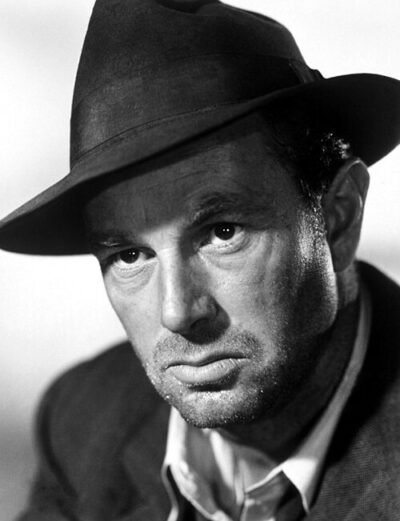
Sterling Hayden
Sterling Hayden was an American actor. Born March 26, 1916, in Upper Montclair. Died May 23, 1986, in Sausalito. Awards include Silver Star.
Facts
26 facts · 2 confirmed by two sources · 4 cited · 20 from one source
Where this comes from
Papalocal keeps its own record. It started from these sources; what each one said is kept here as it was copied, so a change on their side never changes this page by itself. Tap one to read its version.
What Wikidata says · copied November 13, 2026 · revision 2558245740
- Described as
- American actor (1916–1986)
- Other names
- Sterling Walter Hayden
- Born
- March 26, 1916 · 7 references
- Died
- May 23, 1986 · 7 references
- Born in
- Upper Montclair · 1 reference
- Died in
- Sausalito · 1 reference
- Cause of death
- prostate cancer
- Name at birth
- Sterling Relyea Walter
- Citizen of
- United States
- Occupation
- military officer; autobiographer; novelist; character actor; television actor; film actor · 1 reference; actor · 1 reference; military personnel
- Worked for
- Office of Strategic Services
- Genre
- Western film; drama film; film noir; adventure film; action film; war film
- Awards
- Silver Star
- Spouse
- Madeleine Carroll (1942–1946)
- Military branch
- United States Marine Corps
- Height
- 1.94 m (6 ft 4 in)
- Wikipedias with a page
- 44
Wikidata item Q323166 (wikidata.org/wiki/Q323166), public domain (CC0). Copied November 13, 2026.
What Wikipedia says · copied November 13, 2026 · revision 1381521288
Sterling Walter Hayden (born Sterling Relyea Walter; March 26, 1916 – May 23, 1986) was an American actor. A leading man for most of his career, he specialized in Westerns and film noir throughout the 1950s, in films such as John Huston's The Asphalt Jungle (1950), Nicholas Ray's Johnny Guitar (1954), and Stanley Kubrick's The Killing (1956). In the 1960s, he became noted for supporting roles, perhaps most memorably as General Jack D. Ripper in Kubrick's Dr. Strangelove or: How I Learned to Stop Worrying and Love the Bomb (1964).
Hayden's success continued into the New Hollywood era, with roles such as Irish-American policeman Captain McCluskey in Francis Ford Coppola's The Godfather (1972), alcoholic novelist Roger Wade in Robert Altman's The Long Goodbye (1973), elderly peasant Leo Dalcò in Bernardo Bertolucci's 1900 (1976), and chairman of the board Russell Tinsworthy in 9 to 5 (1980). With a distinctive "rapid-fire baritone" voice and an imposing stature at 6 ft 5 in (196 cm), he had a commanding screen presence in both leading and supporting roles.
Hayden often professed a distaste for acting and used his earnings to finance his numerous voyages as a sailor. He was also a decorated Marine Corps officer and an Office of Strategic Services agent during World War II.
- Born, in its opening lines
- March 26, 1916
- Died, in its opening lines
- May 23, 1986
From the Wikipedia article “Sterling Hayden” (en.wikipedia.org/wiki/Sterling_Hayden), by its contributors, under CC BY-SA 4.0 (creativecommons.org/licenses/by-sa/4.0/). Copied November 13, 2026; not changed.
Confirmed Two sources agree. Cited One source, and it names where it got it. One source One source, without a reference of its own. Sources disagree The sources disagree. We show the best-supported value and keep theirs below.
