
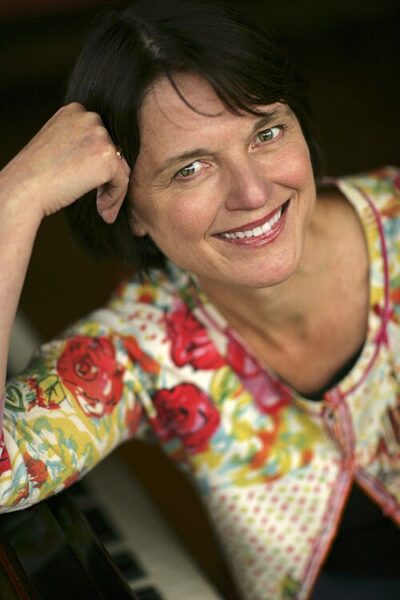
Sylvia Nasar
Sylvia Nasar is an American journalist. Born August 17, 1947, in Rosenheim. Educated at Antioch University and Antioch College. Awards include Berlin Prize, Guggenheim Fellowship and National Book Critics Circle Award in Biography.
Facts
19 facts · 1 confirmed by two sources · 6 cited · 12 from one source
Where this comes from
Papalocal keeps its own record. It started from these sources; what each one said is kept here as it was copied, so a change on their side never changes this page by itself. Tap one to read its version.
What Wikidata says · copied November 16, 2026 · revision 2569203338
- Described as
- American journalist
- Born
- August 17, 1947 · 1 reference
- Born in
- Rosenheim · 1 reference
- Citizen of
- Germany; United States
- Occupation
- writer · 1 reference; journalist · 1 reference; university teacher; economist; biographer
- Worked for
- Columbia University
- Education
- Antioch University; Antioch College; New York University
- Genre
- biography
- Awards
- Berlin Prize (2014) · 1 reference; Guggenheim Fellowship (2013) · 1 reference; National Book Critics Circle Award in Biography (1998) · 1 reference
- Father
- Ruzi Nazar · 1 reference
- Website
- http://www.sylvianasar.com/
- Wikipedias with a page
- 23
Wikidata item Q77008 (wikidata.org/wiki/Q77008), public domain (CC0). Copied November 16, 2026.
What Wikipedia says · copied November 16, 2026 · revision 1379785983
Sylvia Nasar (born 17 August 1947) is an American journalist. She is best known for her biographical book of John Forbes Nash Jr., A Beautiful Mind, for which she won the National Book Critics Circle Award for Biography. Nasar is Knight Professor Emerita at Columbia University's School of Journalism.
- Born, in its opening lines
- August 17, 1947
From the Wikipedia article “Sylvia Nasar” (en.wikipedia.org/wiki/Sylvia_Nasar), by its contributors, under CC BY-SA 4.0 (creativecommons.org/licenses/by-sa/4.0/). Copied November 16, 2026; not changed.
Confirmed Two sources agree. Cited One source, and it names where it got it. One source One source, without a reference of its own. Sources disagree The sources disagree. We show the best-supported value and keep theirs below.
