
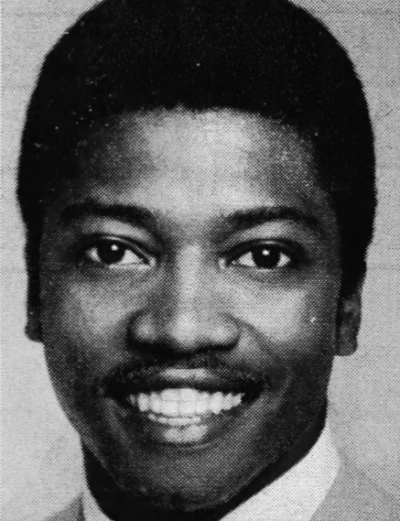
T. K. Carter
T. K. Carter was an American actor and comedian. Born December 18, 1956, in New York City. Died January 9, 2026, in Duarte.
Facts
10 facts · 2 confirmed by two sources · 8 cited · 0 from one source
Where this comes from
Papalocal keeps its own record. It started from these sources; what each one said is kept here as it was copied, so a change on their side never changes this page by itself. Tap one to read its version.
What Wikidata says · copied November 18, 2026 · revision 2567885306
- Described as
- American actor and comedian (1956-2026)
- Other names
- Thomas Kent Carter, TK Carter
- Born
- December 18, 1956 · 1 reference
- Died
- January 9, 2026 · 2 references
- Born in
- New York City · 1 reference
- Died in
- Duarte · 1 reference
- Citizen of
- United States · 2 references
- Occupation
- actor · 2 references; television actor · 1 reference; voice actor · 1 reference; comedian · 2 references; film actor · 1 reference
- Wikipedias with a page
- 19
Wikidata item Q2061785 (wikidata.org/wiki/Q2061785), public domain (CC0). Copied November 18, 2026.
What Wikipedia says · copied November 18, 2026 · revision 1381785260
Thomas Kent Carter (December 18, 1956 – January 9, 2026) was an American actor best known for his roles in the films Corvette Summer (1978), Southern Comfort (1981), The Thing (1982), Doctor Detroit (1983), Runaway Train (1985), Space Jam (1996) and The Corner (2000), as well as for the TV series Just Our Luck (as the series' lead), Punky Brewster, The Sinbad Show, Dave, and Good Morning, Miss Bliss, also known as Saved by the Bell: The Junior High Years. He was also the voice of the animated character Anthony Julian from 1985 to 1988 on the series Jem.
- Born, in its opening lines
- December 18, 1956
- Died, in its opening lines
- January 9, 2026
From the Wikipedia article “T. K. Carter” (en.wikipedia.org/wiki/T._K._Carter), by its contributors, under CC BY-SA 4.0 (creativecommons.org/licenses/by-sa/4.0/). Copied November 18, 2026; not changed.
Confirmed Two sources agree. Cited One source, and it names where it got it. One source One source, without a reference of its own. Sources disagree The sources disagree. We show the best-supported value and keep theirs below.
