
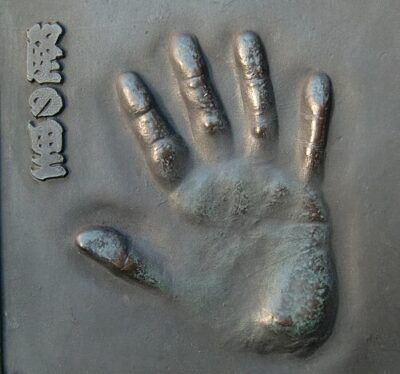
Takanosato Toshihide
Takanosato Toshihide, born Toshihide Takaya, was a prominent Japanese sumo wrestler. He achieved the sport's highest rank, yokozuna, holding the title from 1983 to 1986. During his career, Takanosato secured four tournament championships in the top division.
Following his retirement from active competition, Takanosato transitioned to a coaching role. He founded and managed the Naruto stable, overseeing the training of aspiring sumo wrestlers from 1989 until his passing in 2011. He was born in 1952 and hailed from Aomori Prefecture.
Facts
7 facts · 2 confirmed by two sources · 0 cited · 5 from one source
Where this comes from
Papalocal keeps its own record. It started from these sources; what each one said is kept here as it was copied, so a change on their side never changes this page by itself. Tap one to read its version.
What Wikidata says · copied November 13, 2026 · revision 2553933828
- Described as
- sumo wrestler (1952–2011)
- Born
- September 29, 1952
- Died
- November 7, 2011 · 1 reference
- Born in
- Namioka · 1 reference
- Died in
- Fukuoka
- Citizen of
- Japan
- Occupation
- rikishi
- Sport
- sumo
- Wikipedias with a page
- 7
Wikidata item Q1233497 (wikidata.org/wiki/Q1233497), public domain (CC0). Copied November 13, 2026.
What Wikipedia says · copied November 13, 2026 · revision 1381055424
Takanosato Toshihide (Japanese: 隆の里 俊英; September 29, 1952 – November 7, 2011), real name Toshihide Takaya (高谷 俊英), was a Japanese professional sumo wrestler from Namioka, Aomori. He was the sport's 59th yokozuna from 1983 to 1986 and won four top division tournament championships. After retirement he established Naruto stable which he ran from 1989 until his death.
- Born, in its opening lines
- September 29, 1952
- Died, in its opening lines
- November 7, 2011
From the Wikipedia article “Takanosato Toshihide” (en.wikipedia.org/wiki/Takanosato_Toshihide), by its contributors, under CC BY-SA 4.0 (creativecommons.org/licenses/by-sa/4.0/). Copied November 13, 2026; not changed.
Confirmed Two sources agree. Cited One source, and it names where it got it. One source One source, without a reference of its own. Sources disagree The sources disagree. We show the best-supported value and keep theirs below.
