
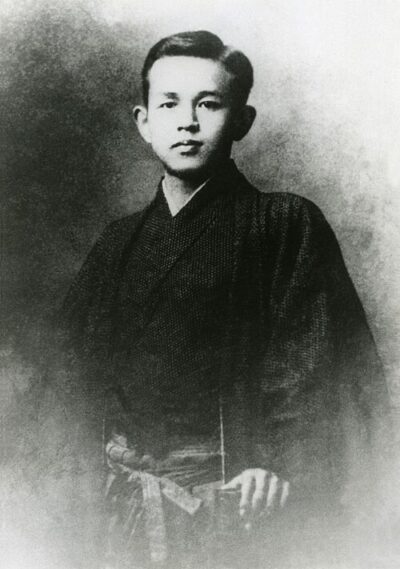
Takuboku Ishikawa
Takuboku Ishikawa was a Japanese poet. Born February 20, 1886, in Morioka. Died April 13, 1912, in Koishikawa-ku. Known for Ichiaku no Suna and Kanashiki Gangu. Educated at Seisoku Gakuen.
Facts
16 facts · 2 confirmed by two sources · 2 cited · 12 from one source
Where this comes from
Papalocal keeps its own record. It started from these sources; what each one said is kept here as it was copied, so a change on their side never changes this page by itself. Tap one to read its version.
What Wikidata says · copied November 16, 2026 · revision 2564646820
- Described as
- Japanese poet (1886-1912)
- Other names
- Hajime Ishikawa
- Born
- February 20, 1886 · 1 reference
- Died
- April 13, 1912 · 2 references
- Born in
- Morioka
- Died in
- Koishikawa-ku
- Buried in
- Cape Tachimachi
- Cause of death
- pulmonary tuberculosis
- Name at birth
- 石川 一 · 1 reference
- Citizen of
- Japan
- Occupation
- poet; writer · 1 reference; waka poet; journalist
- Education
- Seisoku Gakuen
- Known for
- Ichiaku no Suna; Kanashiki Gangu
- Spouse
- Setsuko Ishikawa
- Wikipedias with a page
- 33
Wikidata item Q467747 (wikidata.org/wiki/Q467747), public domain (CC0). Copied November 16, 2026.
What Wikipedia says · copied November 16, 2026 · revision 1381486487
Takuboku Ishikawa (石川 啄木, Ishikawa Takuboku; Japanese pronunciation: [ì.ɕi̥.kä́.β̞ä́ | tä̀.kɯ̈́.bó̞.kɯ̈́, -β̞ä́ tä́-], born Hajime Ishikawa (石川 一); February 20, 1886 – April 13, 1912) was a Japanese poet. Well known as both a tanka and "modern-style" (新体詩, shintaishi) or "free-style" (自由詩, jiyūshi) poet, he began as a member of the Myōjō group of naturalist poets but later joined the "socialistic" group of Japanese poets and renounced naturalism. He died of tuberculosis.
- Born, in its opening lines
- February 20, 1886
- Died, in its opening lines
- April 13, 1912
From the Wikipedia article “Takuboku Ishikawa” (en.wikipedia.org/wiki/Takuboku_Ishikawa), by its contributors, under CC BY-SA 4.0 (creativecommons.org/licenses/by-sa/4.0/). Copied November 16, 2026; not changed.
Confirmed Two sources agree. Cited One source, and it names where it got it. One source One source, without a reference of its own. Sources disagree The sources disagree. We show the best-supported value and keep theirs below.
