
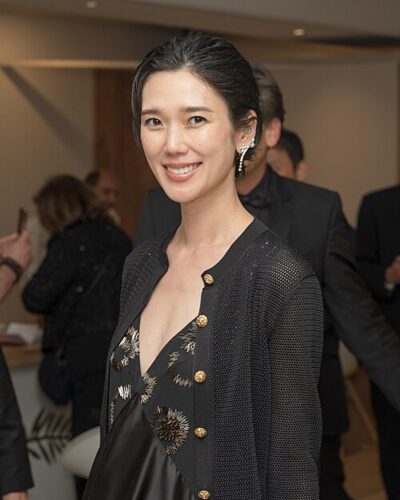
Tao Okamoto is a Japanese actress, model. Born May 22, 1985, in Chiba. Awards include Cannes Film Festival Award for Best Actress.
Facts
10 facts · 1 confirmed by two sources · 2 cited · 7 from one source
Where this comes from
Papalocal keeps its own record. It started from these sources; what each one said is kept here as it was copied, so a change on their side never changes this page by itself. Tap one to read its version.
What Wikidata says · copied November 18, 2026 · revision 2566941878
- Described as
- Japanese actress, model (1985-)
- Other names
- Okamoto Tao
- Born
- May 22, 1985 · 1 reference
- Born in
- Chiba
- Citizen of
- Japan
- Occupation
- model; actor · 1 reference; fashion model; film director · 1 reference
- Awards
- Cannes Film Festival Award for Best Actress (2026)
- Height
- 1.76 m (5 ft 9 in) · 1 reference
- Website
- https://www.decadeinc.com/tao-okamoto/
- Wikipedias with a page
- 22
Wikidata item Q4353280 (wikidata.org/wiki/Q4353280), public domain (CC0). Copied November 18, 2026.
What Wikipedia says · copied November 18, 2026 · revision 1384939547
Tao Okamoto (岡本 多緒, Okamoto Tao; born May 22, 1985), also known professionally by the mononym Tao, is a Japanese actress and model. In 2009, she was one of the faces of Ralph Lauren.
She made her film debut as the female lead Mariko Yashida in the 2013 film The Wolverine; and played Mercy Graves in the 2016 film Batman v Superman: Dawn of Justice. She has had recurring roles in the television series Hannibal, The Man in the High Castle, and Westworld. In 2026, she was awarded the Cannes Film Festival Award for Best Actress for her performance in the drama All of a Sudden.
- Born, in its opening lines
- May 22, 1985
From the Wikipedia article “Tao Okamoto” (en.wikipedia.org/wiki/Tao_Okamoto), by its contributors, under CC BY-SA 4.0 (creativecommons.org/licenses/by-sa/4.0/). Copied November 18, 2026; not changed.
Confirmed Two sources agree. Cited One source, and it names where it got it. One source One source, without a reference of its own. Sources disagree The sources disagree. We show the best-supported value and keep theirs below.
