
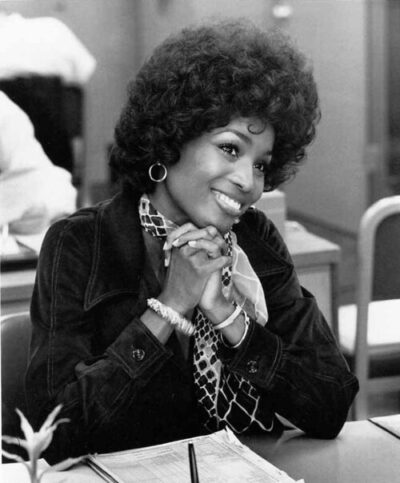
Teresa Graves
Teresa Graves was an American actress and singer. Born January 10, 1948, in Houston. Died October 10, 2002, in Los Angeles. Educated at Washington Preparatory High School.
Facts
11 facts · 2 confirmed by two sources · 3 cited · 6 from one source
Where this comes from
Papalocal keeps its own record. It started from these sources; what each one said is kept here as it was copied, so a change on their side never changes this page by itself. Tap one to read its version.
What Wikidata says · copied November 16, 2026 · revision 2567529241
- Described as
- American actress and singer (1948-2002)
- Born
- January 10, 1948 · 3 references
- Died
- October 10, 2002 · 3 references
- Born in
- Houston · 1 reference
- Died in
- Los Angeles · 1 reference
- Citizen of
- United States
- Occupation
- film actor; actor · 1 reference; musician; television actor
- Education
- Washington Preparatory High School
- Genre
- pop music
- Wikipedias with a page
- 24
Wikidata item Q2598159 (wikidata.org/wiki/Q2598159), public domain (CC0). Copied November 16, 2026.
What Wikipedia says · copied November 16, 2026 · revision 1385807010
Teresa Graves (January 10, 1948 – October 10, 2002) was an American actress and singer, best known for her starring role as undercover police detective Christie Love in the ABC crime-drama television series Get Christie Love! (1974–1975).
The role made Graves the second Black American female to star in a non-stereotypical role for a U.S. drama television series. The first was
Diahann Carroll in Julia, which aired 3 years earlier from 1968 to 1971. The Get Christie Love! series was based on Dorothy Uhnak's crime-thriller novel The Ledger.
- Born, in its opening lines
- January 10, 1948
- Died, in its opening lines
- October 10, 2002
From the Wikipedia article “Teresa Graves” (en.wikipedia.org/wiki/Teresa_Graves), by its contributors, under CC BY-SA 4.0 (creativecommons.org/licenses/by-sa/4.0/). Copied November 16, 2026; not changed.
Confirmed Two sources agree. Cited One source, and it names where it got it. One source One source, without a reference of its own. Sources disagree The sources disagree. We show the best-supported value and keep theirs below.
