
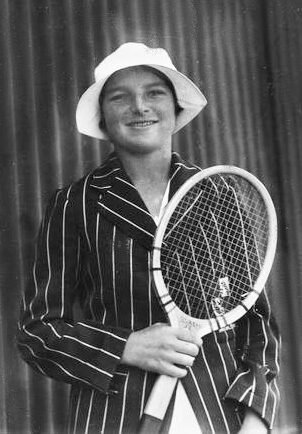
Thelma Coyne Long
Thelma Coyne Long was an Australian tennis player. Born October 14, 1918, in Sydney. Died April 13, 2015, in Sydney. Awards include International Tennis Hall of Fame and Australian Tennis Hall of Fame.
Facts
10 facts · 2 confirmed by two sources · 5 cited · 3 from one source
Where this comes from
Papalocal keeps its own record. It started from these sources; what each one said is kept here as it was copied, so a change on their side never changes this page by itself. Tap one to read its version.
What Wikidata says · copied November 18, 2026 · revision 2525985324
- Described as
- Australian tennis player (1918–2015)
- Other names
- Thelma Dorothy Coyne, Thelma Coyne, Thelma Dorothy Coyne Long
- Born
- October 14, 1918 · 1 reference
- Died
- April 13, 2015 · 1 reference
- Born in
- Sydney · 1 reference
- Died in
- Sydney
- Name at birth
- Thelma Dorothy Coyne · 1 reference
- Citizen of
- Australia · 1 reference
- Occupation
- tennis player · 1 reference
- Sport
- tennis
- Awards
- International Tennis Hall of Fame (2013); Australian Tennis Hall of Fame (2002–) · 1 reference
- Wikipedias with a page
- 24
Wikidata item Q272676 (wikidata.org/wiki/Q272676), public domain (CC0). Copied November 18, 2026.
What Wikipedia says · copied November 18, 2026 · revision 1385665360
Thelma Dorothy Coyne Long (née Coyne; 14 October 1918 – 13 April 2015) was an Australian tennis player and one of the female players who dominated Australian tennis from the mid-1930s to the 1950s. During her career, she won 19 Grand Slam tournament titles. In 2013, Long was inducted into the International Tennis Hall of Fame.
- Born, in its opening lines
- October 14, 1918
- Died, in its opening lines
- April 13, 2015
From the Wikipedia article “Thelma Coyne Long” (en.wikipedia.org/wiki/Thelma_Coyne_Long), by its contributors, under CC BY-SA 4.0 (creativecommons.org/licenses/by-sa/4.0/). Copied November 18, 2026; not changed.
Confirmed Two sources agree. Cited One source, and it names where it got it. One source One source, without a reference of its own. Sources disagree The sources disagree. We show the best-supported value and keep theirs below.
