
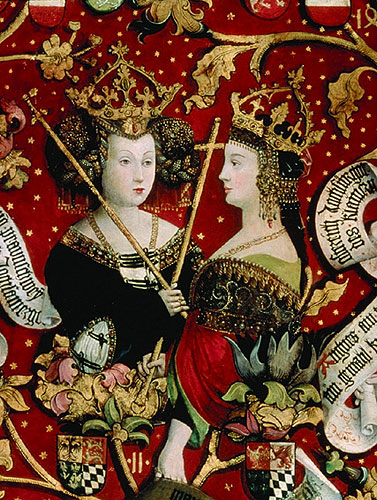
Theodora Komnene, Duchess of Austria
Theodora Komnene, Duchess of Austria was a Duchess consort of Austria. Born 1132, in Constantinople. Died January 2, 1184, in Vienna.
Facts
16 facts · 0 confirmed by two sources · 2 cited · 14 from one source
Where this comes from
Papalocal keeps its own record. It started from these sources; what each one said is kept here as it was copied, so a change on their side never changes this page by itself. Tap one to read its version.
What Wikidata says · copied November 18, 2026 · revision 2527745256
- Described as
- Duchess consort of Austria
- Other names
- Theodora Komnena, Theodora Komnene
- Born
- 1132 · 1 reference
- Died
- January 2, 1184
- Born in
- Constantinople
- Died in
- Vienna
- Buried in
- Schottenstift
- Citizen of
- Byzantine Empire
- Occupation
- aristocrat
- Spouse
- Henry II (1149–) · 1 reference
- Children
- Leopold V, Duke of Austria; Agnes of Austria, Queen of Hungary; Henry I of Mödling · 1 reference
- Father
- Andronikos Komnenos
- Mother
- Irene Komnene
- Siblings
- John Doukas Komnenos; Maria Komnene; Alexios Komnenos
- Wikipedias with a page
- 24
Wikidata item Q259927 (wikidata.org/wiki/Q259927), public domain (CC0). Copied November 18, 2026.
What Wikipedia says · copied November 18, 2026 · revision 1369822793
Theodora Komnene (Greek: Θεοδώρα ἡ Κομνηνή, circa 1134 – 2 January 1184), Latinized Theodora Comnena, was a daughter of the Byzantine prince Andronikos Komnenos and his wife, Eirene (?Aineiadissa). Based on the writings of Niketas Choniates, it is likely Theodora was Andronikos' second daughter. The year of Theodora's birth is unknown.
From the Wikipedia article “Theodora Komnene, Duchess of Austria” (en.wikipedia.org/wiki/Theodora_Komnene,_Duchess_of_Austria), by its contributors, under CC BY-SA 4.0 (creativecommons.org/licenses/by-sa/4.0/). Copied November 18, 2026; not changed.
Confirmed Two sources agree. Cited One source, and it names where it got it. One source One source, without a reference of its own. Sources disagree The sources disagree. We show the best-supported value and keep theirs below.
