
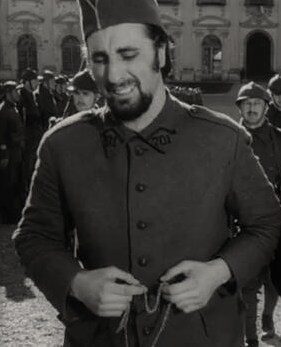
Timothy Carey
Timothy Carey was an American actor. Born March 11, 1929, in New York City. Died May 11, 1994, in Los Angeles.
Facts
16 facts · 2 confirmed by two sources · 6 cited · 8 from one source
Where this comes from
Papalocal keeps its own record. It started from these sources; what each one said is kept here as it was copied, so a change on their side never changes this page by itself. Tap one to read its version.
What Wikidata says · copied November 18, 2026 · revision 2549265458
- Described as
- American actor (1929-1994)
- Other names
- Timothy Agoglia Carey
- Born
- March 11, 1929 · 4 references
- Died
- May 11, 1994 · 4 references
- Born in
- New York City · 1 reference
- Died in
- Los Angeles · 1 reference
- Buried in
- Rose Hills Memorial Park
- Cause of death
- stroke
- Citizen of
- United States
- Occupation
- actor · 2 references; film director; screenwriter · 1 reference; television actor; film actor; film producer · 1 reference; director · 1 reference
- Lived in
- Brooklyn
- Website
- http://www.timothycarey.com/
- Wikipedias with a page
- 15
Wikidata item Q449465 (wikidata.org/wiki/Q449465), public domain (CC0). Copied November 18, 2026.
What Wikipedia says · copied November 18, 2026 · revision 1380285789
Timothy Agoglia Carey (March 11, 1929 – May 11, 1994) was an American film and television character actor who was typically cast as manic or violent characters who are driven to extremes. He is particularly known for his collaborations with Stanley Kubrick in the films The Killing (1956) and Paths of Glory (1957), and for appearing in the two John Cassavetes directed films Minnie and Moskowitz (1971) and The Killing of a Chinese Bookie (1976). Other notable film credits include Crime Wave (1954), East of Eden (1955), One-Eyed Jacks (1961), Beach Blanket Bingo (1965), Head (1968) and The Outfit (1973).
Carey was also a writer and director, with the low budget independent film The World's Greatest Sinner (1962) being his most noteworthy project.
- Born, in its opening lines
- March 11, 1929
- Died, in its opening lines
- May 11, 1994
From the Wikipedia article “Timothy Carey” (en.wikipedia.org/wiki/Timothy_Carey), by its contributors, under CC BY-SA 4.0 (creativecommons.org/licenses/by-sa/4.0/). Copied November 18, 2026; not changed.
Confirmed Two sources agree. Cited One source, and it names where it got it. One source One source, without a reference of its own. Sources disagree The sources disagree. We show the best-supported value and keep theirs below.
