
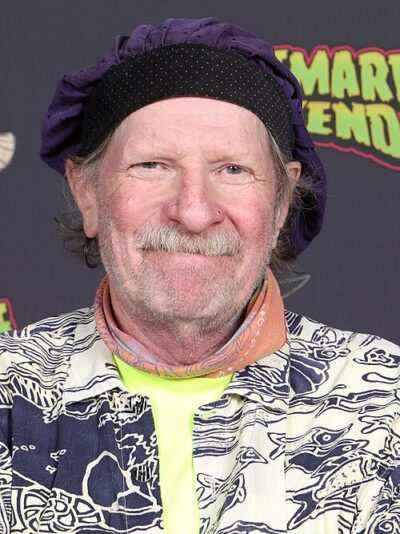
Tommy Lee Wallace
Tommy Lee Wallace is an American film director. Born September 6, 1949, in Somerset. Educated at Ohio University.
Facts
9 facts · 1 confirmed by two sources · 1 cited · 7 from one source
Where this comes from
Papalocal keeps its own record. It started from these sources; what each one said is kept here as it was copied, so a change on their side never changes this page by itself. Tap one to read its version.
What Wikidata says · copied November 16, 2026 · revision 2567125847
- Described as
- American film director
- Other names
- Thomas "Tommy" Lee Wallace, Thomas Lee Wallace
- Born
- September 6, 1949 · 1 reference
- Born in
- Somerset
- Citizen of
- United States
- Occupation
- screenwriter · 1 reference; film director; film editor
- Education
- Ohio University
- Member of
- Writers Guild of America West
- Spouse
- Nancy Kyes
- Wikipedias with a page
- 20
Wikidata item Q574983 (wikidata.org/wiki/Q574983), public domain (CC0). Copied November 16, 2026.
What Wikipedia says · copied November 16, 2026 · revision 1377678248
Thomas Lee Wallace (born September 6, 1949) is an American film director and screenwriter. He is best known for his work in the horror genre, directing films such as Halloween III: Season of the Witch (1982) and Fright Night Part 2 (1988) and also directing the 1990 television miniseries adaptation of Stephen King's epic horror novel It (1986). He is a long-time collaborator of director John Carpenter, receiving his first credit as art director on Carpenter's directorial debut Dark Star (1974). Along with Charles Bornstein, he edited both Halloween (1978) and The Fog (1980).
- Born, in its opening lines
- September 6, 1949
From the Wikipedia article “Tommy Lee Wallace” (en.wikipedia.org/wiki/Tommy_Lee_Wallace), by its contributors, under CC BY-SA 4.0 (creativecommons.org/licenses/by-sa/4.0/). Copied November 16, 2026; not changed.
Confirmed Two sources agree. Cited One source, and it names where it got it. One source One source, without a reference of its own. Sources disagree The sources disagree. We show the best-supported value and keep theirs below.
