
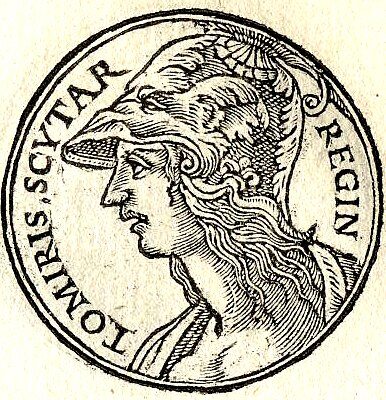
Tomyris
Tomyris was a queen of the Massagetae (fl. 6. century BCE). Born 6th century BC, in Central Asia. Died 6th century BC, in Central Asia. Positions held include queen regnant.
Facts
8 facts · 0 confirmed by two sources · 0 cited · 8 from one source
Where this comes from
Papalocal keeps its own record. It started from these sources; what each one said is kept here as it was copied, so a change on their side never changes this page by itself. Tap one to read its version.
What Wikidata says · copied November 16, 2026 · revision 2560347986
- Described as
- queen of the Massagetae (fl. 6. century BCE)
- Other names
- Thomyris, Tomris, Tomiride, Tomiri, Queen Tomiri, Tamyris, Queen of the Massagetai Tomyris, Thamaris, Tomiris, Tomyris Khatun
- Born
- 6th century BC
- Died
- 6th century BC
- Born in
- Central Asia
- Died in
- Central Asia
- Occupation
- ruler; military leader
- Positions held
- queen regnant
- Children
- Spargapises · 1 reference
- Wikipedias with a page
- 63
Wikidata item Q464777 (wikidata.org/wiki/Q464777), public domain (CC0). Copied November 16, 2026.
What Wikipedia says · copied November 16, 2026 · revision 1377288205
Tomyris (; Saka: *Taumuriyah; Ancient Greek: Τόμυρις, romanized: Tómuris; Latin: Tomyris) also called Thomyris, Tomris, or Tomiride, was a 6th-century BC queen of the Massagetae, a nomadic people who inhabited the Eurasian steppe. Tomyris is known only from the writings of the Greek historian Herodotus, according to whom she led her armies to defend against an attack by Cyrus the Great of the Achaemenid Empire, and defeated and killed him in 530 BC. She is not mentioned in the few other early sources covering the period, especially Ctesias.
Tomyris became a popular subject in European art and literature during the Renaissance. In visual art, she was typically depicted either receiving the head of Cyrus or placing it into a vessel filled with blood, a motif derived from one version of the accounts. This theme belonged to the 'Power of Women' tradition in Renaissance art, which celebrated women who triumphed over men in various ways.
From the Wikipedia article “Tomyris” (en.wikipedia.org/wiki/Tomyris), by its contributors, under CC BY-SA 4.0 (creativecommons.org/licenses/by-sa/4.0/). Copied November 16, 2026; not changed.
Confirmed Two sources agree. Cited One source, and it names where it got it. One source One source, without a reference of its own. Sources disagree The sources disagree. We show the best-supported value and keep theirs below.
