
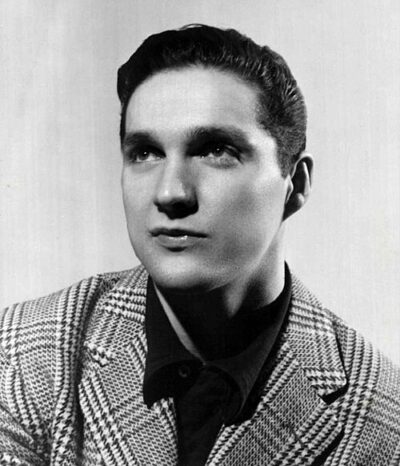
Tony Lavelli
Tony Lavelli was an American basketball player. Born July 11, 1926, in Somerville. Died January 8, 1998, in Laconia. Teams include New York Knicks, Boston Celtics and Yale Bulldogs men's basketball (1947–1949). Educated at Yale University.
Facts
16 facts · 2 confirmed by two sources · 5 cited · 9 from one source
Where this comes from
Papalocal keeps its own record. It started from these sources; what each one said is kept here as it was copied, so a change on their side never changes this page by itself. Tap one to read its version.
What Wikidata says · copied November 19, 2026 · revision 2549062668
- Described as
- American basketball player (1926-1998)
- Other names
- Anthony Lavelli
- Born
- July 11, 1926 · 1 reference
- Died
- January 8, 1998 · 2 references
- Born in
- Somerville
- Died in
- Laconia
- Cause of death
- myocardial infarction
- Citizen of
- United States
- Occupation
- basketball player · 1 reference; musician; songwriter
- Education
- Yale University · 1 reference
- Teams
- New York Knicks; Boston Celtics; Yale Bulldogs men's basketball (1947–1949) · 1 reference
- Sport
- basketball · 1 reference
- Instrument
- accordion
- Height
- 1.90 m (6 ft 3 in) · 1 reference
- Wikipedias with a page
- 11
Wikidata item Q1611310 (wikidata.org/wiki/Q1611310), public domain (CC0). Copied November 19, 2026.
What Wikipedia says · copied November 19, 2026 · revision 1385715392
Anthony Lavelli Jr. (July 11, 1926 – January 8, 1998) was an American professional basketball player and musician. He averaged 6.9 points per game during his two-year National Basketball Association (NBA) career (1949–1951) while also providing half-time entertainment with his accordion performances.
- Born, in its opening lines
- July 11, 1926
- Died, in its opening lines
- January 8, 1998
From the Wikipedia article “Tony Lavelli” (en.wikipedia.org/wiki/Tony_Lavelli), by its contributors, under CC BY-SA 4.0 (creativecommons.org/licenses/by-sa/4.0/). Copied November 19, 2026; not changed.
Confirmed Two sources agree. Cited One source, and it names where it got it. One source One source, without a reference of its own. Sources disagree The sources disagree. We show the best-supported value and keep theirs below.
