
Tony Yayo
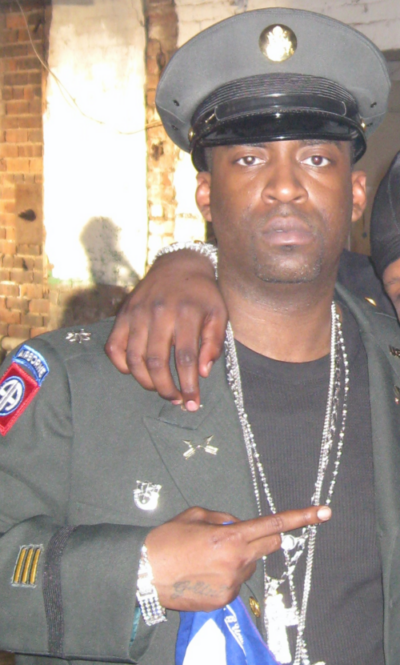
Tony Yayo is an American rapper. Born March 31, 1978, in South Jamaica.
Facts
15 facts · 1 confirmed by two sources · 1 cited · 13 from one source
Where this comes from
Papalocal keeps its own record. It started from these sources; what each one said is kept here as it was copied, so a change on their side never changes this page by itself. Tap one to read its version.
What Wikidata says · copied November 15, 2026 · revision 2563880369
- Described as
- American rapper
- Other names
- Marvin Bernard
- Born
- March 31, 1978
- Born in
- South Jamaica · 1 reference
- Citizen of
- United States
- Occupation
- rapper; songwriter; hype man
- Member of
- G-Unit · 1 reference
- Genre
- hip-hop; East Coast hip-hop; gangsta rap; hardcore hip-hop
- Instrument
- voice
- Record label
- G-Unit Records; Caroline Records
- Website
- http://www.tonyyayo.com
- Wikipedias with a page
- 27
Wikidata item Q301515 (wikidata.org/wiki/Q301515), public domain (CC0). Copied November 15, 2026.
What Wikipedia says · copied November 15, 2026 · revision 1381560147
Marvin Bernard (born March 31, 1978), better known by his stage name Tony Yayo, is an American rapper. He is a founding member of G-Unit, a hip-hop group he formed in 1999 with fellow New York City-based rappers 50 Cent and Lloyd Banks. Yayo signed with G-Unit Records and Interscope Records to release his debut studio album, Thoughts of a Predicate Felon (2005), which debuted at number two on the Billboard 200. After eighteen years of not releasing a sophomore follow-up due to his association with G-Unit, Yayo returned with The Loyal Mixtape, which released on February 10, 2023.
His stage name is derived from the 1983 film, Scarface, referencing the main character Tony Montana, and yayo, a slang word for cocaine.
- Born, in its opening lines
- March 31, 1978
From the Wikipedia article “Tony Yayo” (en.wikipedia.org/wiki/Tony_Yayo), by its contributors, under CC BY-SA 4.0 (creativecommons.org/licenses/by-sa/4.0/). Copied November 15, 2026; not changed.
Confirmed Two sources agree. Cited One source, and it names where it got it. One source One source, without a reference of its own. Sources disagree The sources disagree. We show the best-supported value and keep theirs below.
