
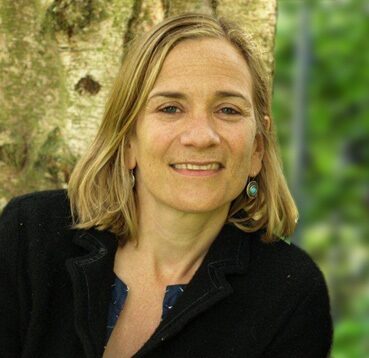
Tracy Chevalier
Tracy Chevalier is an American writer. Born October 19, 1962, in Washington, D.C.. Known for Girl with a Pearl Earring. Educated at Oberlin College and University of East Anglia. Awards include Fellow of the Royal Society of Literature and honorary doctorate (2 times).
Facts
18 facts · 1 confirmed by two sources · 8 cited · 9 from one source
Where this comes from
Papalocal keeps its own record. It started from these sources; what each one said is kept here as it was copied, so a change on their side never changes this page by itself. Tap one to read its version.
What Wikidata says · copied November 15, 2026 · revision 2568965199
- Described as
- American writer
- Other names
- Tracy Rose Chevalier
- Born
- October 19, 1962 · 3 references
- Born in
- Washington, D.C. · 1 reference
- Citizen of
- United States; United Kingdom · 1 reference
- Occupation
- writer · 1 reference; novelist; screenwriter; literary editor · 1 reference
- Education
- Oberlin College (1980–1984); University of East Anglia (1993–); Bethesda-Chevy Chase High School (–1980) · 1 reference
- Member of
- Royal Society of Literature
- Known for
- Girl with a Pearl Earring
- Awards
- Fellow of the Royal Society of Literature (2008) · 1 reference; honorary doctorate (2 times) (2013, 2025) · 1 reference
- Field
- literary activity · 1 reference; historical fiction · 1 reference
- Website
- http://tchevalier.com/
- Wikipedias with a page
- 33
Wikidata item Q232212 (wikidata.org/wiki/Q232212), public domain (CC0). Copied November 15, 2026.
What Wikipedia says · copied November 15, 2026 · revision 1376890919
Tracy Rose Chevalier (born 19 October 1962) is an American-British novelist. She is best known for her second novel, Girl with a Pearl Earring, which was adapted as a 2003 film starring Scarlett Johansson and Colin Firth.
- Born, in its opening lines
- October 19, 1962
From the Wikipedia article “Tracy Chevalier” (en.wikipedia.org/wiki/Tracy_Chevalier), by its contributors, under CC BY-SA 4.0 (creativecommons.org/licenses/by-sa/4.0/). Copied November 15, 2026; not changed.
Confirmed Two sources agree. Cited One source, and it names where it got it. One source One source, without a reference of its own. Sources disagree The sources disagree. We show the best-supported value and keep theirs below.
