
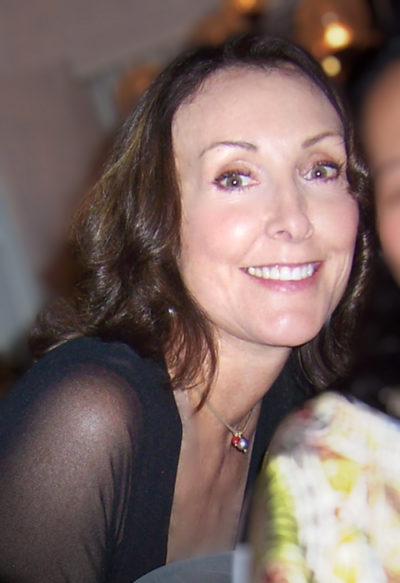
Tress MacNeille
Tress MacNeille is an American voice actress. Born June 20, 1951, in Chicago. Known for Fallout. Educated at University of California, Berkeley.
Facts
16 facts · 0 confirmed by two sources · 1 cited · 15 from one source
Where this comes from
Papalocal keeps its own record. It started from these sources; what each one said is kept here as it was copied, so a change on their side never changes this page by itself. Tap one to read its version.
What Wikidata says · copied November 15, 2026 · revision 2566136690
- Described as
- American voice actress
- Other names
- Teressa Claire MacNeille
- Born
- June 20, 1951
- Born in
- Chicago
- Name at birth
- Teressa Claire Payne
- Citizen of
- United States
- Occupation
- voice actor; actor · 1 reference; singer; television actor · 1 reference; disc jockey · 1 reference; screenwriter · 1 reference; dub actor
- Education
- University of California, Berkeley
- Instrument
- voice
- Known for
- Fallout
- Spouse
- Douglas MacNeille · 1 reference
- Children
- Jenna MacNeille
- Wikipedias with a page
- 36
Wikidata item Q237530 (wikidata.org/wiki/Q237530), public domain (CC0). Copied November 15, 2026.
What Wikipedia says · copied November 15, 2026 · revision 1384972747
Teressa Claire "Tress" MacNeille (née Payne) is an American voice actress. She is known for her roles such as Dot Warner on the animated television series Animaniacs and its revival, Babs Bunny on Tiny Toon Adventures, Daisy Duck in various Disney media since 1999, Chip and Gadget Hackwrench on Chip 'n Dale: Rescue Rangers, and a variety of characters including Agnes Skinner, Brandine Spuckler, Lindsey Naegle, Dolph Shapiro, and Crazy Cat Lady in The Simpsons since 1990. She has also worked on animated series such as Disenchantment, Rugrats, and Hey Arnold!
From the Wikipedia article “Tress MacNeille” (en.wikipedia.org/wiki/Tress_MacNeille), by its contributors, under CC BY-SA 4.0 (creativecommons.org/licenses/by-sa/4.0/). Copied November 15, 2026; not changed.
Confirmed Two sources agree. Cited One source, and it names where it got it. One source One source, without a reference of its own. Sources disagree The sources disagree. We show the best-supported value and keep theirs below.
