
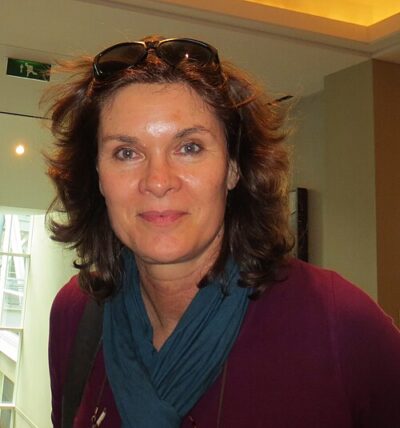
Ulrike Meyfarth
Ulrike Meyfarth is a German former high jumper. Born May 4, 1956, in Frankfurt. Teams include TSV Bayer 04 Leverkusen. Awards include Order of Merit of North Rhine-Westphalia, Silbernes Lorbeerblatt and Germany's Sports Hall of Fame.
Facts
12 facts · 1 confirmed by two sources · 2 cited · 9 from one source
Where this comes from
Papalocal keeps its own record. It started from these sources; what each one said is kept here as it was copied, so a change on their side never changes this page by itself. Tap one to read its version.
What Wikidata says · copied November 16, 2026 · revision 2568894304
- Described as
- German former high jumper
- Other names
- Ulrike Nasse-Meyfarth, Ulrike Nasse
- Born
- May 4, 1956 · 4 references
- Born in
- Frankfurt · 2 references
- Name at birth
- Ulrike Meyfarth · 1 reference
- Citizen of
- Germany · 1 reference
- Occupation
- high jumper · 1 reference; athletics competitor · 1 reference
- Teams
- TSV Bayer 04 Leverkusen
- Sport
- athletics · 1 reference
- Awards
- Order of Merit of North Rhine-Westphalia (1996) · 1 reference; Silbernes Lorbeerblatt · 1 reference; Germany's Sports Hall of Fame (2011–) · 1 reference
- Height
- 1.88 m (6 ft 2 in) · 1 reference
- Wikipedias with a page
- 34
Wikidata item Q28736 (wikidata.org/wiki/Q28736), public domain (CC0). Copied November 16, 2026.
What Wikipedia says · copied November 16, 2026 · revision 1377964555
Ulrike Nasse-Meyfarth (née Meyfarth German pronunciation: [ʊlˈʁiːkə ˈmaɪfaːɐ̯t] ; born 4 May 1956) is a German former high jumper. She won the Olympic title twice, in 1972 and 1984. She is the youngest Olympic champion ever in women's high jump, and at the time of her 1984 triumph, she also was the oldest ever.
- Born, in its opening lines
- May 4, 1956
From the Wikipedia article “Ulrike Meyfarth” (en.wikipedia.org/wiki/Ulrike_Meyfarth), by its contributors, under CC BY-SA 4.0 (creativecommons.org/licenses/by-sa/4.0/). Copied November 16, 2026; not changed.
Confirmed Two sources agree. Cited One source, and it names where it got it. One source One source, without a reference of its own. Sources disagree The sources disagree. We show the best-supported value and keep theirs below.
