
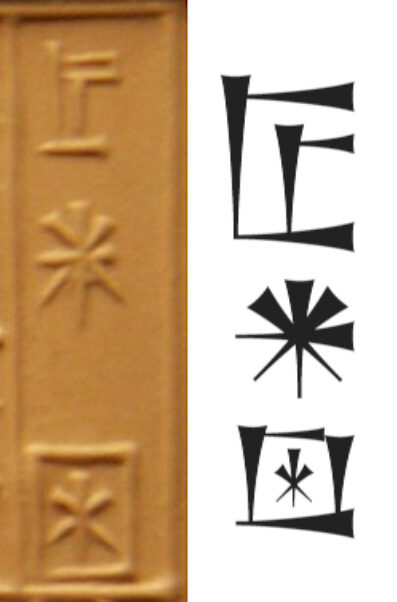
Ur-Nammu
Ur-Nammu was a Sumerian king. Born 20th century BC. Died 2094 BC. Positions held include emperor.
Facts
8 facts · 0 confirmed by two sources · 1 cited · 7 from one source
Where this comes from
Papalocal keeps its own record. It started from these sources; what each one said is kept here as it was copied, so a change on their side never changes this page by itself. Tap one to read its version.
What Wikidata says · copied November 16, 2026 · revision 2568939422
- Described as
- Sumerian king
- Other names
- Urnammu, Ur-Namma
- Born
- 20th century BC
- Died
- 2094 BC
- Occupation
- ruler
- Positions held
- emperor
- Spouse
- Watartum
- Children
- Shulgi · 1 reference; Ennirgalanna
- Religion
- Sumerian religion
- Wikipedias with a page
- 48
Wikidata item Q297417 (wikidata.org/wiki/Q297417), public domain (CC0). Copied November 16, 2026.
What Wikipedia says · copied November 16, 2026 · revision 1383224272
Ur-Nammu (or Ur-Namma, Ur-Engur, Ur-Gur, Sumerian: 𒌨𒀭𒇉; died c. 2094 BC) was a Sumerian king who founded the Sumerian Third Dynasty of Ur, in southern Mesopotamia, following several centuries of Akkadian and Gutian rule. Though he built many temples and canals his main achievement was building the core of the Ur III Empire through military conquest. Ur-Nammu is chiefly remembered today for his legal code, the Code of Ur-Nammu, the oldest known surviving example in the world. He also initiated the construction of the Ziggurat of Ur. He held the titles of "King of Ur" and "King of Sumer and Akkad". His personal goddess was Ninsuna. In royal hymns of the Ur III period, Ur-Nammu of Ur and his son Shulgi describe Lugalbanda and Ninsun as their holy parents, and in the same context call themselves the brother of Gilgamesh.
From the Wikipedia article “Ur-Nammu” (en.wikipedia.org/wiki/Ur-Nammu), by its contributors, under CC BY-SA 4.0 (creativecommons.org/licenses/by-sa/4.0/). Copied November 16, 2026; not changed.
Confirmed Two sources agree. Cited One source, and it names where it got it. One source One source, without a reference of its own. Sources disagree The sources disagree. We show the best-supported value and keep theirs below.
