
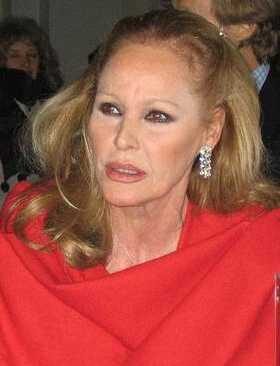
Ursula Andress is a Swiss actress. Born March 19, 1936, in Ostermundigen. Known for The Sensuous Nurse. Awards include Golden Globe Award for New Star of the Year – Actress.
Facts
11 facts · 1 confirmed by two sources · 3 cited · 7 from one source
Where this comes from
Papalocal keeps its own record. It started from these sources; what each one said is kept here as it was copied, so a change on their side never changes this page by itself. Tap one to read its version.
What Wikidata says · copied November 16, 2026 · revision 2558048133
- Described as
- Swiss actress
- Born
- March 19, 1936 · 7 references
- Born in
- Ostermundigen · 1 reference
- Citizen of
- Switzerland
- Occupation
- actor · 1 reference; screenwriter; model; film actor
- Known for
- The Sensuous Nurse · 1 reference
- Awards
- Golden Globe Award for New Star of the Year – Actress (1964) · 1 reference
- Spouse
- John Derek (1957–1966)
- Lived in
- Zagarolo
- Wikipedias with a page
- 69
Wikidata item Q211111 (wikidata.org/wiki/Q211111), public domain (CC0). Copied November 16, 2026.
What Wikipedia says · copied November 16, 2026 · revision 1385271878
Ursula Andress (born 19 March 1936) is a Swiss retired actress who has appeared in American, British, and Italian films. Her breakthrough role was as Bond girl Honey Ryder in the first James Bond film, Dr. No (1962). She later starred as Vesper Lynd in the 1967 Bond parody Casino Royale. Other notable credits include Fun in Acapulco (1963), 4 for Texas (1963), She (1965), The 10th Victim (1965), The Blue Max (1966), The Southern Star (1969), Perfect Friday (1970), Red Sun (1971), The Sensuous Nurse (1975), Slave of the Cannibal God (1978), The Fifth Musketeer (1979), Clash of the Titans (1981), and Peter the Great (1986).
- Born, in its opening lines
- March 19, 1936
From the Wikipedia article “Ursula Andress” (en.wikipedia.org/wiki/Ursula_Andress), by its contributors, under CC BY-SA 4.0 (creativecommons.org/licenses/by-sa/4.0/). Copied November 16, 2026; not changed.
Confirmed Two sources agree. Cited One source, and it names where it got it. One source One source, without a reference of its own. Sources disagree The sources disagree. We show the best-supported value and keep theirs below.
