
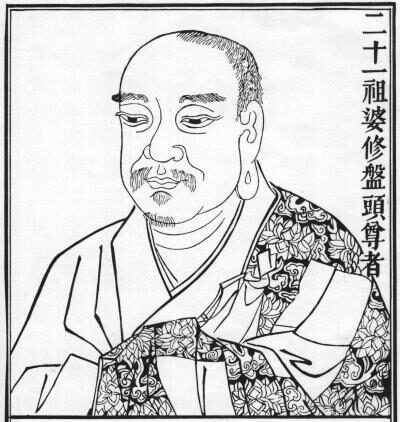
Vasubandhu
Vasubandhu was the 4th/5th century Indian Buddhist monk. Born 3rd century, in Gupta Empire. Died 4th century. Positions held include Zen Patriarch. Known for Abhidharma-kosa, Vimśatikāvijñaptimātratāsiddhi and Triṃśikā-vijñaptimātratā.
Facts
18 facts · 0 confirmed by two sources · 3 cited · 14 from one source · 1 where the sources disagree
What’s different
- Born in: we show Gupta Empire (Sources disagree). Wikidata also lists Peshawar and Gandhara
Where this comes from
Papalocal keeps its own record. It started from these sources; what each one said is kept here as it was copied, so a change on their side never changes this page by itself. Tap one to read its version.
What Wikidata says · copied November 16, 2026 · revision 2567758417
- Described as
- 4th/5th century Indian Buddhist monk
- Born
- 3rd century · 1 reference
- Died
- 4th century
- Born in
- Peshawar; Gupta Empire · 1 reference; Gandhara · 1 reference
- Occupation
- philosopher; writer · 1 reference; Buddhist monk; commentator; author · 1 reference
- Positions held
- Zen Patriarch
- Member of
- Six Ornaments and Two Supreme Ones
- Known for
- Abhidharma-kosa; Vimśatikāvijñaptimātratāsiddhi; Triṃśikā-vijñaptimātratā; Commentary on the Diamond Sūtra; Treatise on the Sutra of Limitless Life
- Siblings
- Asanga · 1 reference
- Religion
- Buddhism · 1 reference; Yogacara
- Wikipedias with a page
- 47
Wikidata item Q316343 (wikidata.org/wiki/Q316343), public domain (CC0). Copied November 16, 2026.
What Wikipedia says · copied November 16, 2026 · revision 1380365627
Vasubandhu (traditional Chinese: 世親; ; pinyin: Shìqīn; Tibetan: དབྱིག་གཉེན་ Wylie: dbyig gnyen; fl. 4th to 5th century CE) was an influential Indian Buddhist monk and scholar. He was a philosopher who wrote commentary on the Abhidharma, from the perspectives of the Sarvastivada and Sautrāntika schools. After his conversion to Mahayana Buddhism, along with his half-brother, Asanga, he was also one of the main founders of the Yogacara school.
Vasubandhu's Abhidharmakośakārikā ("Commentary on the Treasury of the Abhidharma") is widely used in Tibetan and East Asian Buddhism, as the major source for non-Mahayana Abhidharma philosophy. His philosophical verse works set forth the standard for the Indian Yogacara metaphysics of "appearance only" (vijñapti-mātra), which has been described as a form of "epistemological idealism", phenomenology and close to Immanuel Kant's transcendental idealism. Apart from this, he wrote several commentaries, works on logic, argumentation and devotional poetry.
Vasubandhu is one of the most influential thinkers in the Indian Buddhist philosophical tradition. Because of their association with Nalanda university, Vasubandhu and Asanga are amongst the so-called Seventeen Nalanda Masters. In Jōdo Shinshū, he is considered the Second Patriarch; in Chan Buddhism, he is the 21st Patriarch.
From the Wikipedia article “Vasubandhu” (en.wikipedia.org/wiki/Vasubandhu), by its contributors, under CC BY-SA 4.0 (creativecommons.org/licenses/by-sa/4.0/). Copied November 16, 2026; not changed.
Confirmed Two sources agree. Cited One source, and it names where it got it. One source One source, without a reference of its own. Sources disagree The sources disagree. We show the best-supported value and keep theirs below.
