
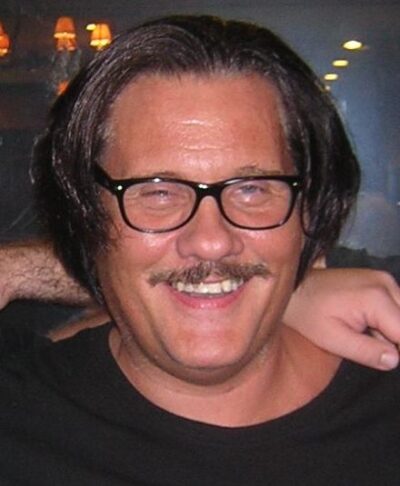
William Forsythe
William Forsythe is an American actor. Born June 7, 1955, in Brooklyn. Educated at Nazareth Regional High School. Awards include Kulturgroschen.
Facts
13 facts · 1 confirmed by two sources · 2 cited · 10 from one source
Where this comes from
Papalocal keeps its own record. It started from these sources; what each one said is kept here as it was copied, so a change on their side never changes this page by itself. Tap one to read its version.
What Wikidata says · copied November 15, 2026 · revision 2570022672
- Described as
- American actor
- Other names
- Forsythe
- Born
- June 7, 1955 · 3 references
- Born in
- Brooklyn
- Citizen of
- United States
- Occupation
- actor · 1 reference; television actor; film actor; choreographer; dancer; scenographer; lighting designer; screenwriter · 1 reference
- Education
- Nazareth Regional High School · 1 reference
- Awards
- Kulturgroschen (2003) · 1 reference
- Wikipedias with a page
- 33
Wikidata item Q350255 (wikidata.org/wiki/Q350255), public domain (CC0). Copied November 15, 2026.
What Wikipedia says · copied November 15, 2026 · revision 1378385784
William Forsythe (born June 7, 1955) is an American actor, known for his portrayals of tough-guy, criminal characters.
He appeared in the films Once Upon a Time in America (1984), Raising Arizona (1987), Dick Tracy (1990), American Me (1992), Gotti (1996), The Rock (1996), Blue Streak (1999), Blue Hill Avenue (2001), and The Devil's Rejects (2005). Forsythe was nominated for the Independent Spirit Award for Best Supporting Male for his performance in the film The Waterdance.
On television, he has played the roles of Al Capone on The Untouchables (1993-94), Manny Horvitz on Boardwalk Empire (2011-12), and J. Edgar Hoover on The Man in the High Castle (2018).
- Born, in its opening lines
- June 7, 1955
From the Wikipedia article “William Forsythe (actor)” (en.wikipedia.org/wiki/William_Forsythe_(actor)), by its contributors, under CC BY-SA 4.0 (creativecommons.org/licenses/by-sa/4.0/). Copied November 15, 2026; not changed.
Confirmed Two sources agree. Cited One source, and it names where it got it. One source One source, without a reference of its own. Sources disagree The sources disagree. We show the best-supported value and keep theirs below.
