
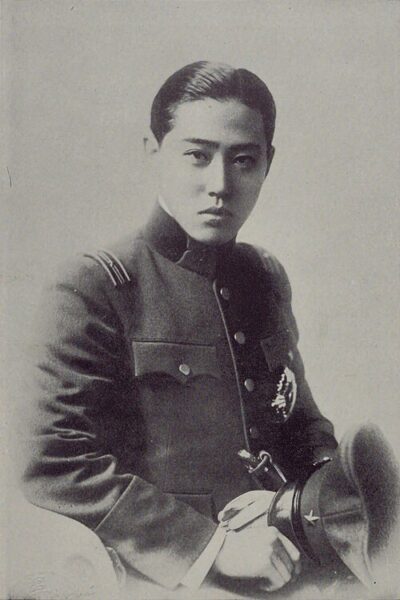
Yi U
Yi U was a Prince of Korea. Born November 15, 1912, in Seoul. Died August 7, 1945, in Hiroshima. Educated at Imperial Japanese Army Academy. Awards include Order of the Rising Sun with Paulownia Flowers, 1st class and Grand Cordon of the Supreme Order of the Chrysanthemum.
Facts
19 facts · 2 confirmed by two sources · 0 cited · 17 from one source
Where this comes from
Papalocal keeps its own record. It started from these sources; what each one said is kept here as it was copied, so a change on their side never changes this page by itself. Tap one to read its version.
What Wikipedia says · copied November 14, 2026 · revision 1379836100
Colonel Prince Yi U (Korean: 이우; 15 November 1912 – 7 August 1945) was a member of the imperial family of Korea as a prince, the 4th head of Unhyeon Palace, and a lieutenant colonel in the Imperial Japanese Army during World War II. He was killed during the atomic bombing of Hiroshima.
- Born, in its opening lines
- November 15, 1912
- Died, in its opening lines
- August 7, 1945
From the Wikipedia article “Yi U” (en.wikipedia.org/wiki/Yi_U), by its contributors, under CC BY-SA 4.0 (creativecommons.org/licenses/by-sa/4.0/). Copied November 14, 2026; not changed.
What Wikidata says · copied November 14, 2026 · revision 2569121244
- Described as
- Prince of Korea (1912–1945)
- Born
- November 15, 1912
- Died
- August 7, 1945
- Born in
- Seoul
- Died in
- Hiroshima
- Buried in
- Namyangju
- Cause of death
- atomic bombings of Hiroshima and Nagasaki
- Citizen of
- Korea under Japanese rule
- Occupation
- military personnel
- Education
- Imperial Japanese Army Academy
- Awards
- Order of the Rising Sun with Paulownia Flowers, 1st class; Grand Cordon of the Supreme Order of the Chrysanthemum
- Children
- Yi Chung; Lee Joon
- Father
- Prince Yi Kang
- Siblings
- Yi Geon; Yi Gap; Yi Hae-won
- Military branch
- Imperial Japanese Army (1933–)
- Military rank
- colonel
- Wikipedias with a page
- 17
Wikidata item Q51024 (wikidata.org/wiki/Q51024), public domain (CC0). Copied November 14, 2026.
Confirmed Two sources agree. Cited One source, and it names where it got it. One source One source, without a reference of its own. Sources disagree The sources disagree. We show the best-supported value and keep theirs below.
