
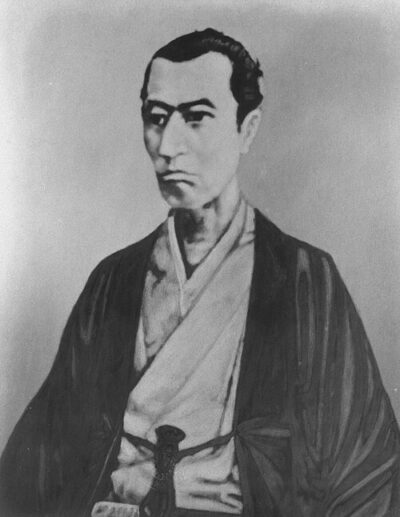
Yoshida Shōin
Yoshida Shōin was a Japanese politician. Born September 20, 1830, in Hagi. Died November 21, 1859, in Tenma-chō Prison. Known for Ryūkonroku.
Facts
14 facts · 2 confirmed by two sources · 0 cited · 12 from one source
Where this comes from
Papalocal keeps its own record. It started from these sources; what each one said is kept here as it was copied, so a change on their side never changes this page by itself. Tap one to read its version.
What Wikidata says · copied November 16, 2026 · revision 2544555811
- Described as
- Japanese politician (1830-1859)
- Other names
- Yoshida Torajirō, Yoshida Shoin, Yoshida Shouin
- Born
- September 20, 1830 · 1 reference
- Died
- November 21, 1859 · 1 reference
- Born in
- Hagi
- Died in
- Tenma-chō Prison
- Cause of death
- decapitation
- Name at birth
- 矩方
- Citizen of
- Japan
- Occupation
- politician; philosopher · 1 reference
- Known for
- Ryūkonroku
- Father
- Sugi Yurinosuke
- Siblings
- Sugi Minji; Katori Miwako; Katori Hisa
- Wikipedias with a page
- 32
Wikidata item Q559747 (wikidata.org/wiki/Q559747), public domain (CC0). Copied November 16, 2026.
What Wikipedia says · copied November 16, 2026 · revision 1381496820
Yoshida Shōin (吉田 松陰; Japanese pronunciation: [jo.ɕi.da (|) ɕoꜜː.iɴ], born Sugi Toranosuke (杉 寅之助); September 20, 1830 – November 21, 1859), commonly named Torajirō (寅次郎), was one of Japan's most distinguished intellectuals in the late years of the Tokugawa shogunate. He devoted himself to nurturing many ishin shishi who in turn made major contributions to the Meiji Restoration.
- Born, in its opening lines
- September 20, 1830
- Died, in its opening lines
- November 21, 1859
From the Wikipedia article “Yoshida Shōin” (en.wikipedia.org/wiki/Yoshida_Shōin), by its contributors, under CC BY-SA 4.0 (creativecommons.org/licenses/by-sa/4.0/). Copied November 16, 2026; not changed.
Confirmed Two sources agree. Cited One source, and it names where it got it. One source One source, without a reference of its own. Sources disagree The sources disagree. We show the best-supported value and keep theirs below.
