
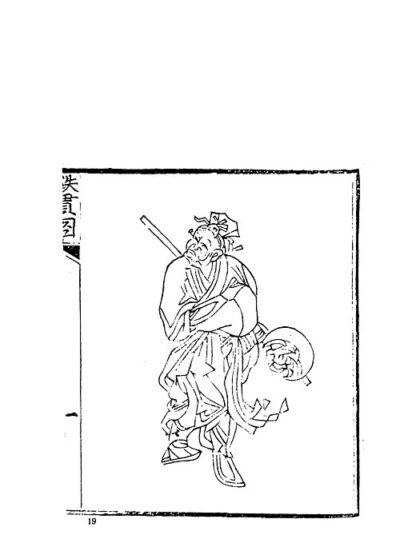
Zhang Xianzhong
Zhang Xianzhong was a Chinese rebel leader. Born September 18, 1606, in Dingbian County. Died January 2, 1647. Positions held include emperor (1644–1646). Known for Qishabei.
Facts
13 facts · 2 confirmed by two sources · 1 cited · 10 from one source
Where this comes from
Papalocal keeps its own record. It started from these sources; what each one said is kept here as it was copied, so a change on their side never changes this page by itself. Tap one to read its version.
What Wikidata says · copied November 18, 2026 · revision 2554609694
- Described as
- Chinese rebel leader (1606-1647)
- Other names
- Zuoxi guowang, Jingxuan, Huanghu
- Born
- September 18, 1606
- Died
- January 2, 1647 · 1 reference
- Born in
- Dingbian County
- Citizen of
- Ming dynasty · 1 reference; Xi dynasty
- Occupation
- military leader
- Positions held
- emperor (1644–1646)
- Known for
- Qishabei
- Children
- Sun Kewang; Li Dingguo; Liu Wenxiu; Ai Nengqi
- Military rank
- army general
- Wikipedias with a page
- 21
Wikidata item Q715573 (wikidata.org/wiki/Q715573), public domain (CC0). Copied November 18, 2026.
What Wikipedia says · copied November 18, 2026 · revision 1383647028
Zhang Xianzhong (張獻忠 or Chang Hsien-chung; 18 September 1606 – 2 January 1647), courtesy name Bingwu (秉吾), art name Jingxuan (敬軒), was a Chinese peasant leader who led a peasant rebellion from Yan'an wei, Shaanxi (today Yulin, Shaanxi province) during the Ming-Qing transition. He conquered Sichuan in 1644, and named himself king and later emperor of the Xi dynasty. His rule in Sichuan was brief, and he was killed by the invading Qing army. He is commonly associated with the massacres in Sichuan that depopulated the region. However, the extent of his killings is disputed.
- Born, in its opening lines
- September 18, 1606
- Died, in its opening lines
- January 2, 1647
From the Wikipedia article “Zhang Xianzhong” (en.wikipedia.org/wiki/Zhang_Xianzhong), by its contributors, under CC BY-SA 4.0 (creativecommons.org/licenses/by-sa/4.0/). Copied November 18, 2026; not changed.
Confirmed Two sources agree. Cited One source, and it names where it got it. One source One source, without a reference of its own. Sources disagree The sources disagree. We show the best-supported value and keep theirs below.
