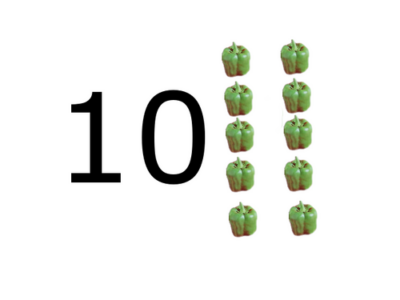
10
10 is a natural number.
All 5 facts, and where they come from
Facts
5 facts · 0 confirmed by two sources · 0 cited · 5 from one source
Where this comes from
Papalocal keeps its own record. It started from these sources; what each one said is kept here as it was copied, so a change on their side never changes this page by itself. Tap one to read its version.
What Wikidata says · copied November 17, 2026 · revision 2567661435
- Described as
- natural number
- Other names
- ⅹ, 𐌢, ten, X
- What it is
- positive integer; triangular number; deficient number
- Comes after
- 9
- Followed by
- 11
- Wikipedias with a page
- 170
Wikidata item Q23806 (wikidata.org/wiki/Q23806), public domain (CC0). Copied 2026-11-17.
What Wikipedia says · copied November 17, 2026 · revision 1384658741
10 (ten) is the natural number following 9 and preceding 11. Ten is the base of decimal numeral systems, the most common systems for denoting numbers in both spoken and written language.
The English name for the number "ten" originates from the Proto-Germanic root *tehun, which in turn comes from the Proto-Indo-European root *déḱm̥. This root is the source of similar words for "ten" in many other Germanic languages. The widespread use of decimal systems is believed to be because humans have ten fingers and ten toes, which people may have used to count by.
From the Wikipedia article “10” (en.wikipedia.org/wiki/10), by its contributors, under CC BY-SA 4.0 (creativecommons.org/licenses/by-sa/4.0/). Copied 2026-11-17; not changed.
Confirmed Two sources agree. Cited One source, and it names where it got it. One source One source, without a reference of its own. Sources disagree The sources disagree. We show the best-supported value and keep theirs below.
Picture: Javier Carro, via Wikimedia Commons · CC BY-SA 3.0