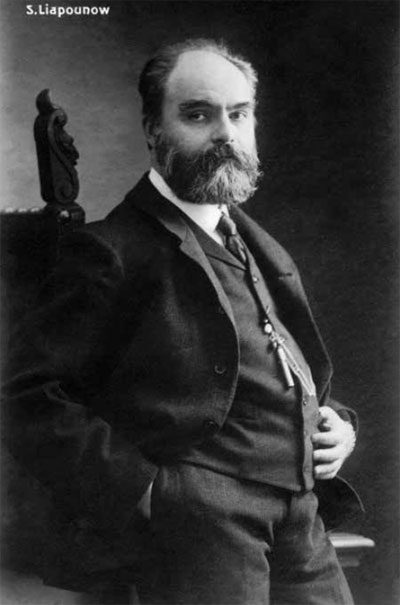
12 Transcendental Études, op. 11
12 Transcendental Études, op. 11 is a musical composition by Sergey Lyapunov. It came out in 1905.
- Released
- 1905
All 4 facts, and where they come from
Facts
4 facts · 0 confirmed by two sources · 0 cited · 4 from one source
Where this comes from
Papalocal keeps its own record. It started from these sources; what each one said is kept here as it was copied, so a change on their side never changes this page by itself. Tap one to read its version.
What Wikidata says · copied November 18, 2026 · revision 2569275439
- Described as
- musical composition by Sergey Lyapunov
- Other names
- 12 Transcendental Études, Transcendental Études, op. 11, Transcendental Études
- What it is
- musical work/composition
- Music by
- Sergei Lyapunov
- Released
- 1905
- Named after
- Transcendental Études
- Wikipedias with a page
- 3
Wikidata item Q1938225 (wikidata.org/wiki/Q1938225), public domain (CC0). Copied 2026-11-18.
What Wikipedia says · copied November 18, 2026 · revision 1307760420
The 12 Études d’exécution transcendante (English: 12 Transcendental Études), Op. 11, are a series of 12 études written from 1897 to 1905 by Sergei Lyapunov. Lyapunov intended them to be the posthumous continuation of Franz Liszt's uncompleted work Transcendental Études, having finished only the first 12 before his death in 1886. The work is also dedicated to Liszt, with the twelfth étude being named after the composer as well.
Inspired by one of his three teachers during his time at Moscow Conservatory Karl Klindworth, a former student of Liszt, along with being heavily influenced and artistically guided by Mily Balakirev, the main ideologue of The Five, these Études use the full gamut of nationalist techniques: From folk-songs and church bells, to Caucasian melodies and sumptuous melodicism.
From the Wikipedia article “12 Transcendental Études (Lyapunov)” (en.wikipedia.org/wiki/12_Transcendental_Études_(Lyapunov)), by its contributors, under CC BY-SA 4.0 (creativecommons.org/licenses/by-sa/4.0/). Copied 2026-11-18; not changed.
Confirmed Two sources agree. Cited One source, and it names where it got it. One source One source, without a reference of its own. Sources disagree The sources disagree. We show the best-supported value and keep theirs below.
Picture: Wikimedia Commons: Ljapunow1913.jpg · See Commons file page