2014 Teen Choice Awards
2014 Teen Choice Awards is a Teen Choice Awards.
- Country
- United States
All 5 facts, and where they come from
Facts
5 facts · 0 confirmed by two sources · 0 cited · 5 from one source
Where this comes from
Papalocal keeps its own record. It started from these sources; what each one said is kept here as it was copied, so a change on their side never changes this page by itself. Tap one to read its version.
What Wikidata says · copied November 16, 2026 · revision 2484572810
- Described as
- Teen Choice Awards
- What it is
- award ceremony
- Part of the series
- Teen Choice Awards · 1 reference
- Comes after
- 2013 Teen Choice Awards
- Followed by
- 2015 Teen Choice Awards
- Country
- United States
- Wikipedias with a page
- 11
Wikidata item Q17015029 (wikidata.org/wiki/Q17015029), public domain (CC0). Copied 2026-11-16.
What Wikipedia says · copied November 16, 2026 · revision 1371190694
The 2014 Teen Choice Awards ceremony was held on August 10, 2014 at the Shrine Auditorium in Los Angeles, California. The event was originally scheduled to take place at the UCLA Pauley Pavilion, which was flooded by a broken water pipe on July 29, 2014 near the campus. It was broadcast on Fox at 8:00–10:00 pm ET live/PT tape-delayed. The awards celebrate the year's achievements in music, film, television, sports, fashion, comedy, and the Internet, and were voted on by viewers aged 13 through 19.
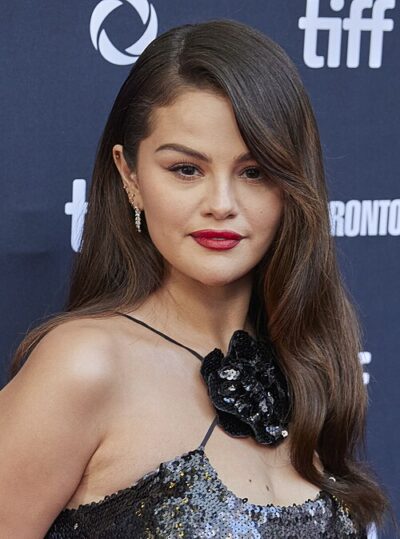
Selena Gomez was awarded the Ultimate Choice Award during the show.
One Direction were the biggest winners of the night, winning all ten awards they were nominated for (including an award given out to Harry Styles and one dedicated to their fans). The Fault in Our Stars won all seven of its nominations as well, including four awards for Ansel Elgort.
From the Wikipedia article “2014 Teen Choice Awards” (en.wikipedia.org/wiki/2014_Teen_Choice_Awards), by its contributors, under CC BY-SA 4.0 (creativecommons.org/licenses/by-sa/4.0/). Copied 2026-11-16; not changed.
Confirmed Two sources agree. Cited One source, and it names where it got it. One source One source, without a reference of its own. Sources disagree The sources disagree. We show the best-supported value and keep theirs below.