A Midsummer Night's Dream
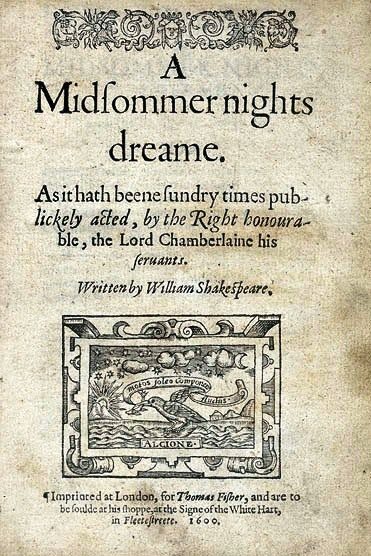
A Midsummer Night's Dream is a play by William Shakespeare. It came out in 1600.
- Released
- 1600
- Came out
- 1595
- Written by
- William Shakespeare
- Genre
- comedy
- Country of origin
- Kingdom of England
All 7 facts, and where they come from
Facts
7 facts · 0 confirmed by two sources · 0 cited · 7 from one source
Where this comes from
Papalocal keeps its own record. It started from these sources; what each one said is kept here as it was copied, so a change on their side never changes this page by itself. Tap one to read its version.
What Wikidata says · copied November 17, 2026 · revision 2546594060
- Described as
- play by William Shakespeare
- Other names
- A Midſommer nights Dreame
- What it is
- dramatic work
- Written by
- William Shakespeare
- Genre
- comedy
- Released
- 1600
- Language
- English
- Country of origin
- Kingdom of England
- Came out
- 1595
- Wikipedias with a page
- 83
Wikidata item Q104871 (wikidata.org/wiki/Q104871), public domain (CC0). Copied 2026-11-17.
What Wikipedia says · copied November 17, 2026 · revision 1385177403
A Midsummer Night's Dream is a comedy play written by William Shakespeare between the years 1594 to 1596. The play is set in Athens, and consists of several subplots that revolve around the marriage of Theseus and Hippolyta. One subplot involves a conflict among four Athenian lovers. Another follows a group of six amateur actors rehearsing the play which they are to perform before the wedding. Both groups find themselves in a forest inhabited by fairies who manipulate the humans. The fairies themselves are also in conflict, as the King and Queen of Fairies argue over an Indian changeling boy. A Midsummer Night's Dream is one of Shakespeare's most popular and widely performed plays.
From the Wikipedia article “A Midsummer Night's Dream” (en.wikipedia.org/wiki/A_Midsummer_Night's_Dream), by its contributors, under CC BY-SA 4.0 (creativecommons.org/licenses/by-sa/4.0/). Copied 2026-11-17; not changed.
Confirmed Two sources agree. Cited One source, and it names where it got it. One source One source, without a reference of its own. Sources disagree The sources disagree. We show the best-supported value and keep theirs below.
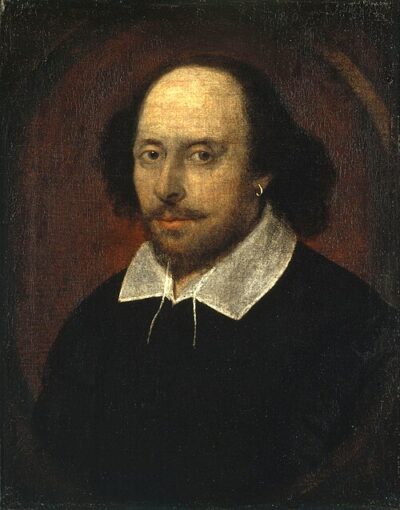
Picture: William Shakespeare, via Wikimedia Commons · Public domain