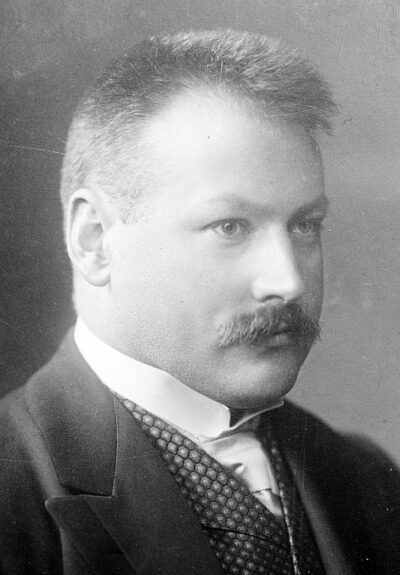
Abderhalden reaction
Abderhalden reaction is a defunct blood test for pregnancy.
All 3 facts, and where they come from
Facts
3 facts · 0 confirmed by two sources · 0 cited · 3 from one source
Where this comes from
Papalocal keeps its own record. It started from these sources; what each one said is kept here as it was copied, so a change on their side never changes this page by itself. Tap one to read its version.
What Wikidata says · copied November 17, 2026 · revision 2551091650
- Described as
- defunct blood test for pregnancy
- What it is
- blood test; pregnancy test
- Named after
- Emil Abderhalden
- Wikipedias with a page
- 6
Wikidata item Q3931185 (wikidata.org/wiki/Q3931185), public domain (CC0). Copied 2026-11-17.
What Wikipedia says · copied November 17, 2026 · revision 1327420721
The Abderhalden reaction was a blood test for pregnancy developed by Emil Abderhalden.
In 1909 Abderhalden found that on identification of a foreign protein in the blood, the body reacts with a "defensive fermentation" (in modern terms, a protease reaction) that causes disintegration of the protein. He developed the test in 1912. This test became a subject of contention soon after its development, and a significant body of work was published both in support of and refuting the test's reliability. One such publication concluded "...the individual variations of both pregnant and non-pregnant sera make the results from both overlap so completely as to render the reaction, even with quantitative technique, absolutely indecisive for either positive or negative diagnosis of pregnancy." (Van Slyke et al. 1915). The test's overall unreliability led to its being superseded in 1928 by the Aschheim–Zondek test. Due to Abderhalden's high reputation, it was not internationally acknowledged until long after his death that the underlying theory of "defensive enzymes" (Abwehrfermente) was entirely fraudulent (Deichmann & Müller-Hill 1998).
From the Wikipedia article “Abderhalden reaction” (en.wikipedia.org/wiki/Abderhalden_reaction), by its contributors, under CC BY-SA 4.0 (creativecommons.org/licenses/by-sa/4.0/). Copied 2026-11-17; not changed.
Confirmed Two sources agree. Cited One source, and it names where it got it. One source One source, without a reference of its own. Sources disagree The sources disagree. We show the best-supported value and keep theirs below.