Acts of the Apostles
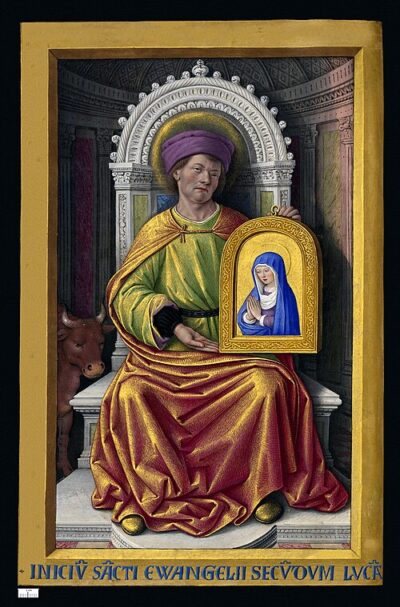
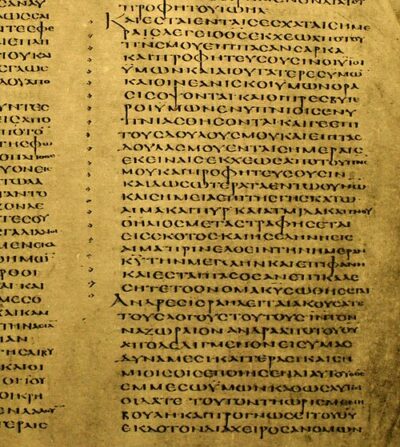
Acts of the Apostles is a book of the New Testament. It was written by Luke the Evangelist.
- Written by
- Luke the Evangelist
- Genre
- acts of the apostles
All 8 facts, and where they come from
Facts
8 facts · 0 confirmed by two sources · 0 cited · 8 from one source
Where this comes from
Papalocal keeps its own record. It started from these sources; what each one said is kept here as it was copied, so a change on their side never changes this page by itself. Tap one to read its version.
What Wikidata says · copied November 17, 2026 · revision 2570801296
- Described as
- book of the New Testament
- Other names
- Acts, Book of Acts
- What it is
- religious text; book of the Bible; literary work
- Written by
- Luke the Evangelist · 1 reference
- Genre
- acts of the apostles
- Language
- New Testament Greek
- Comes after
- Gospel of John
- Followed by
- Epistle to the Romans
- Wikipedias with a page
- 137
Wikidata item Q40309 (wikidata.org/wiki/Q40309), public domain (CC0). Copied 2026-11-17.
What Wikipedia says · copied November 17, 2026 · revision 1385107055
The Acts of the Apostles (Koine Greek: Πράξεις Ἀποστόλων, Práxeis Apostólōn and Latin: Actūs Apostolōrum) is the fifth book of the New Testament. It recounts the founding of the Christian Church and the spread of its message across the Roman Empire. Acts comprises the second part of a two-volume work known as Luke-Acts with its predecessor, the Gospel of Luke.
Acts and the Gospel of Luke share the same author. Tradition identifies the writer as Luke the Evangelist, a physician who travelled with Paul the Apostle. The author is unnamed in the text but appears as a participant in the first-person-view verses of Acts 16-27. Critical opinion remains evenly divided about whether Luke the physician wrote it. Most scholars still regard the author of Luke–Acts as a companion of Paul, although others note tensions with the Pauline epistles. Most scholars treat Acts as historiography, though focus is more on the author's aims than on settling questions of historicity. The book is usually dated to 80–90 AD.
The Gospel of Luke depicts the life, death, and resurrection of Jesus of Nazareth. Acts continues the story of Christianity, beginning with the ascension of Jesus and the mission from Jerusalem into the wider Mediterranean world. The early chapters describe Pentecost, the shared life of the first believers, and the establishment of the church at Antioch. The later chapters follow Paul as he carries the message throughout the empire and conclude with his imprisonment in Rome as he awaits trial.
Luke–Acts addresses how the Jewish Messiah came to have an overwhelmingly non-Jewish church by arguing that the message reached the Gentiles after the Jewish rejection. The work also defends the Jesus movement for Jewish audiences, since most speeches respond to Jewish concerns while Roman officials arbitrate disputes about Jewish customs and law. Luke presents the followers of Jesus as a Jewish sect entitled to legal protection, but remains ambivalent about the future of Jews and Christians, affirming Jesus' Jewish identity while emphasizing the Jews' rejection of the Messiah.
From the Wikipedia article “Acts of the Apostles” (en.wikipedia.org/wiki/Acts_of_the_Apostles), by its contributors, under CC BY-SA 4.0 (creativecommons.org/licenses/by-sa/4.0/). Copied 2026-11-17; not changed.
Confirmed Two sources agree. Cited One source, and it names where it got it. One source One source, without a reference of its own. Sources disagree The sources disagree. We show the best-supported value and keep theirs below.
Picture: Unknown author, via Wikimedia Commons · Public domain