Administrator of the Small Business Administration
The Administrator of the Small Business Administration is an U.S. federal government official. It was created in 1953. It is an office of the United States.
- Office of
- United States
- Country
- United States
- Created
- July 30, 1953
All 5 facts, and where they come from
Facts
5 facts · 0 confirmed by two sources · 0 cited · 5 from one source
Where this comes from
Papalocal keeps its own record. It started from these sources; what each one said is kept here as it was copied, so a change on their side never changes this page by itself. Tap one to read its version.
What Wikidata says · copied November 17, 2026 · revision 2542587400
- Described as
- U.S. federal government official
- What it is
- position; public office
- Created
- July 30, 1953
- Country
- United States
- Office of
- United States
- Wikipedias with a page
- 9
Wikidata item Q15623718 (wikidata.org/wiki/Q15623718), public domain (CC0). Copied 2026-11-17.
What Wikipedia says · copied November 17, 2026 · revision 1375749391
The administrator of the Small Business Administration is the head of the Small Business Administration of the United States. The administrator is responsible for managing and the day-to-day operations of the agency. The administrator is nominated by the president of the United States and must be confirmed by a vote of the United States Senate.
In January 2012, President Barack Obama announced that the SBA administrator would be elevated to Cabinet rank, a position it last held during the Clinton administration.
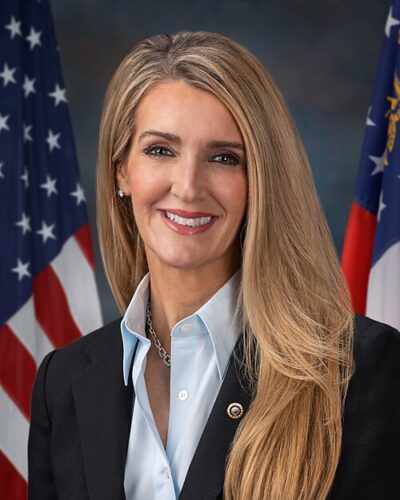
The most recent confirmed administrator was Kelly Loeffler, who was nominated by President Donald Trump and confirmed by the Senate on February 20, 2025.
From the Wikipedia article “Administrator of the Small Business Administration” (en.wikipedia.org/wiki/Administrator_of_the_Small_Business_Administration), by its contributors, under CC BY-SA 4.0 (creativecommons.org/licenses/by-sa/4.0/). Copied 2026-11-17; not changed.
Confirmed Two sources agree. Cited One source, and it names where it got it. One source One source, without a reference of its own. Sources disagree The sources disagree. We show the best-supported value and keep theirs below.