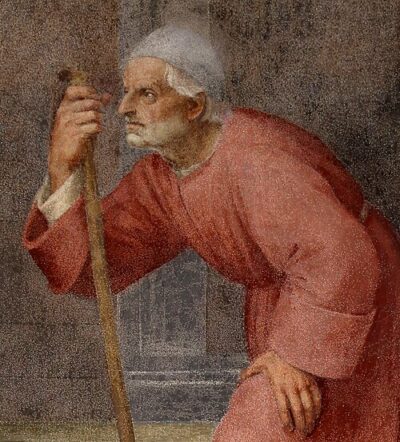
Adoration of the Magi
Adoration of the Magi is a Terracotta relief attributed to Andrea della Robbia. It came out in 1510.
- Came out
- 1510
- Created by
- Andrea della Robbia
- Genre
- art of sculpture
All 7 facts, and where they come from
Facts
7 facts · 0 confirmed by two sources · 0 cited · 7 from one source
Where this comes from
Papalocal keeps its own record. It started from these sources; what each one said is kept here as it was copied, so a change on their side never changes this page by itself. Tap one to read its version.
What Wikidata says · copied November 17, 2026 · revision 2293818313
- Described as
- Terracotta relief attributed to Andrea della Robbia
- What it is
- relief sculpture
- Created by
- Andrea della Robbia
- Genre
- art of sculpture
- Came out
- 1510
- Located in
- Royal Borough of Kensington and Chelsea
- Country
- United Kingdom
- Official website
- http://collections.vam.ac.uk/item/O1234825/the-adoration-of-the-magi-altarpiece/
- Wikipedias with a page
- 4
Wikidata item Q4684622 (wikidata.org/wiki/Q4684622), public domain (CC0). Copied 2026-11-17.
What Wikipedia says · copied November 17, 2026 · revision 1282978366
This depiction of the Adoration of the Magi is an altarpiece by the Florentine Italian Renaissance sculptor Andrea della Robbia (1435–1525). Andrea inherited the family workshop from his famous uncle, Luca della Robbia, who had developed the technique of applying tin glazes, similar to those used by potters, to terracotta (fired clay) to produce sculptures that were colourful, durable and relatively cheap. Larger sculptures, such as this example which dates to about 1500–1510, were made in sections in order to fit into the kiln for firing.
The scene is set in a landscape, showing the Three Kings with attendants, offering their gifts to the Holy Family. Andrea's sculpture was similar in style to contemporary painting, but certain colours, such as red, could not be produced in tin-glaze. The coat-of-arms of the Albizzi, a prominent Florentine family, can be seen on the frame, and the relief was probably commissioned by them for a church not far from Florence. The shiny surface of the altarpiece would have reflected the candlelight in the chapel, bringing the image to life.
From the Wikipedia article “Adoration of the Magi (Andrea della Robbia)” (en.wikipedia.org/wiki/Adoration_of_the_Magi_(Andrea_della_Robbia)), by its contributors, under CC BY-SA 4.0 (creativecommons.org/licenses/by-sa/4.0/). Copied 2026-11-17; not changed.
Confirmed Two sources agree. Cited One source, and it names where it got it. One source One source, without a reference of its own. Sources disagree The sources disagree. We show the best-supported value and keep theirs below.
Picture: Wikimedia Commons: Adoration of the kings 230915.jpg · See Commons file page