AEG
AEG is a former German electrical engineering and manufacturing company (1883–1996). It was founded by Emil Rathenau. Its headquarters are in Frankfurt. It has 11,000 employees (1995). It won the Innovation Prize of the German Economy.
- Founded
- April 19, 1883
- Founded by
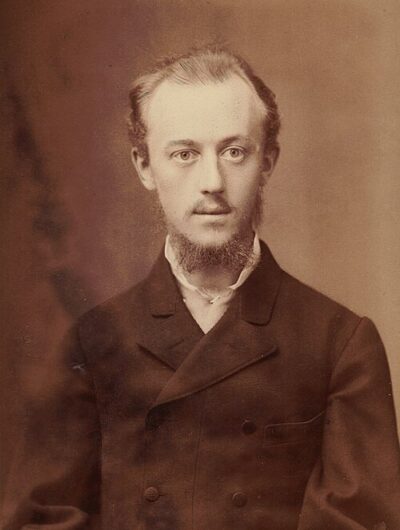
- Emil Rathenau
- Headquarters
- Frankfurt
- Industry
- automotive industry
- Employees
- 11,000 (1995)
- Country
- Germany
All 16 facts, and where they come from
Facts
16 facts · 0 confirmed by two sources · 2 cited · 14 from one source
Where this comes from
Papalocal keeps its own record. It started from these sources; what each one said is kept here as it was copied, so a change on their side never changes this page by itself. Tap one to read its version.
What Wikidata says · copied November 18, 2026 · revision 2570287696
- Described as
- former German electrical engineering and manufacturing company (1883–1996)
- Other names
- AEG-Telefunken, Allgemeine Elektricitäts-Gesellschaft, Deutsche Edison-Gesellschaft für angewandte Elektricität
- What it is
- business; enterprise; concern
- Founded
- April 19, 1883
- Ended
- October 2, 1996
- Founded by
- Emil Rathenau
- Headquarters
- Frankfurt
- Country
- Germany · 1 reference
- Industry
- automotive industry; electrical industry; home appliance industry
- Chair
- Gérard Charles Édouard Thériault (–1995)
- Employees
- 11,000 (1995) · 1 reference
- Part of
- Daimler-Benz AG (1985–)
- Owned by
- Daimler-Benz AG (1985–)
- Awards
- Innovation Prize of the German Economy
- Wikipedias with a page
- 35
Wikidata item Q158276 (wikidata.org/wiki/Q158276), public domain (CC0). Copied 2026-11-18.
What Wikipedia says · copied November 18, 2026 · revision 1380846527
AEG (Allgemeine Elektrizitäts-Gesellschaft lit. "General Electricity Company") was a German electrical equipment manufacturer founded in 1883 by Emil Rathenau in Berlin. While the company is officially defunct as of 1996, the brand is currently owned (since 2005) and used by Swedish company Electrolux, which also licenses it to various brand partners.
The company's initial focus was driven by electrical lighting, as in 1881, Rathenau had acquired the rights to the electric light bulb at the International Exposition of Electricity in Paris. Using small power stations, his company introduced electrical lighting to cafés, restaurants, and theaters, despite the high costs and limitations. By the end of the 19th century, AEG had constructed 248 power stations, providing a total of 210,000 hp of electricity for lighting, tramways, and household devices.
During the Second World War, AEG worked with the Nazi Party and benefited from forced labor in Nazi concentration camps. After the war, its headquarters moved to Frankfurt am Main. In 1967, AEG joined with its subsidiary Telefunken. In 1982, AEG-Telefunken had to file for bankruptcy, after which in 1985, Daimler-Benz purchased AEG. The company was eventually carved up in the 1990s: after its naval, radar and defense electronics became part of Deutsche Aerospace, its rail infrastructure became part of Adtranz, its electrical grid business sold to GEC Alsthom, and other divisions sold to others. Its diesel engine division, automotive electronics and postal automation parts were directly integrated into Daimler-Benz, and AEG formally dissolved in 1996.
From the Wikipedia article “AEG (German company)” (en.wikipedia.org/wiki/AEG_(German_company)), by its contributors, under CC BY-SA 4.0 (creativecommons.org/licenses/by-sa/4.0/). Copied 2026-11-18; not changed.
Confirmed Two sources agree. Cited One source, and it names where it got it. One source One source, without a reference of its own. Sources disagree The sources disagree. We show the best-supported value and keep theirs below.
Picture: Wikimedia Commons: AEG - Allgemeine Elektrizitätsgesellschaft.jpg · See Commons file page