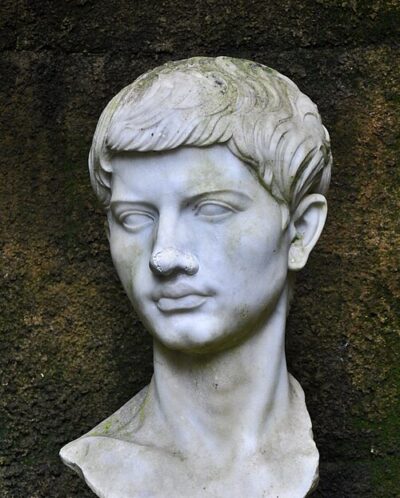
Aeneid
Aeneid is an epic poem by Virgil.
- Came out
- 1st century BC
- Written by
- Virgil
- Genre
- epic literature
- Country of origin
- Ancient Rome
All 7 facts, and where they come from
Facts
7 facts · 0 confirmed by two sources · 5 cited · 2 from one source
Where this comes from
Papalocal keeps its own record. It started from these sources; what each one said is kept here as it was copied, so a change on their side never changes this page by itself. Tap one to read its version.
What Wikidata says · copied November 17, 2026 · revision 2565893712
- Described as
- epic poem by Virgil
- Other names
- Aenēis, Aeneis, Eneid, Æneid, Verg. A.
- What it is
- literary work · 1 reference
- Written by
- Virgil · 5 references
- Genre
- epic literature; epic poem · 2 references
- Language
- Latin · 1 reference
- Country of origin
- Ancient Rome
- Came out
- 1st century BC · 1 reference
- Wikipedias with a page
- 116
Wikidata item Q60220 (wikidata.org/wiki/Q60220), public domain (CC0). Copied 2026-11-17.
What Wikipedia says · copied November 17, 2026 · revision 1385518072
The Aeneid (, ih-NEE-id; Latin: Aeneis [ae̯ˈneːɪs]) is a Latin epic poem that tells the legendary story of Aeneas, a Trojan who fled the fall of Troy and travelled to Italy, where he became the ancestor of the Romans. Written by the Roman poet Virgil between 29 and 19 BC, the Aeneid comprises 9,896 lines in dactylic hexameter. The first six of its twelve books tell the story of Aeneas' wanderings from Troy to Italy, and the latter six tell of the Trojans' ultimately victorious war upon the Latins, under whose name Aeneas and his Trojan followers are destined to be subsumed.
The hero Aeneas was already known to Graeco-Roman legend and myth, having been a character in the Iliad. Virgil took the disconnected tales of Aeneas' wanderings, his vague association with the foundation of Rome, and his description as a personage of no fixed characteristics other than a scrupulous pietas, and fashioned the Aeneid into a compelling founding myth or national epic that tied Rome to the legends of Troy, explained the Punic Wars, glorified traditional Roman virtues, and legitimised the Julio-Claudian dynasty as descendants of the founders, heroes, and gods of Rome and Troy.
The Aeneid is widely regarded as Virgil's masterpiece and one of the greatest works of Latin literature.
From the Wikipedia article “Aeneid” (en.wikipedia.org/wiki/Aeneid), by its contributors, under CC BY-SA 4.0 (creativecommons.org/licenses/by-sa/4.0/). Copied 2026-11-17; not changed.
Confirmed Two sources agree. Cited One source, and it names where it got it. One source One source, without a reference of its own. Sources disagree The sources disagree. We show the best-supported value and keep theirs below.
Picture: Wikimedia Commons: Vergilius Vaticanus f45v - Sibylle conduit Énée et Achates au temple d'Apollon.jpg · See Commons file page