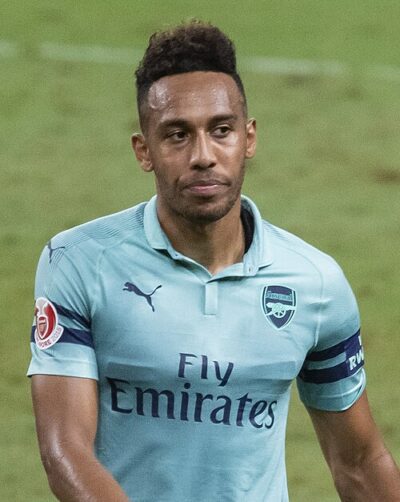
African Footballer of the Year
African Footballer of the Year is a sports award. It was created in 1970. It is given by Confederation of African Football.
- Given by
- Confederation of African Football
- Created
- 1970
All 4 facts, and where they come from
Facts
4 facts · 0 confirmed by two sources · 0 cited · 4 from one source
Where this comes from
Papalocal keeps its own record. It started from these sources; what each one said is kept here as it was copied, so a change on their side never changes this page by itself. Tap one to read its version.
What Wikidata says · copied November 17, 2026 · revision 2520141546
- Described as
- award
- What it is
- sports award
- Created
- 1970 · 1 reference
- Sport
- association football
- Given by
- Confederation of African Football
- Wikipedias with a page
- 33
Wikidata item Q387787 (wikidata.org/wiki/Q387787), public domain (CC0). Copied 2026-11-17.
What Wikipedia says · copied November 17, 2026 · revision 1375937634
The African Footballer of the Year award, presented annually to the best African footballer, has been conferred by the Confederation of African Football (CAF) since 1992. It has been included as part of the CAF Awards ceremony since 2000.
Samuel Eto'o and Yaya Touré have won the award the most times (four wins each). Two-time winner Didier Drogba is the player with the most runner-up appearances (four), most third place finishes (third), and most appearances in the top three (nine).
The France-born Frédéric Kanouté, Riyad Mahrez and Pierre-Emerick Aubameyang, England-born Ademola Lookman and Spain-born Achraf Hakimi are the only European-born players to win the award (both Kanouté and Aubameyang initially featured for France's U21 squad before going on to represent Mali and Gabon, respectively). The winner of the 2025 edition was Achraf Hakimi.
From the Wikipedia article “African Footballer of the Year” (en.wikipedia.org/wiki/African_Footballer_of_the_Year), by its contributors, under CC BY-SA 4.0 (creativecommons.org/licenses/by-sa/4.0/). Copied 2026-11-17; not changed.
Confirmed Two sources agree. Cited One source, and it names where it got it. One source One source, without a reference of its own. Sources disagree The sources disagree. We show the best-supported value and keep theirs below.
Picture: Laloumance, via Wikimedia Commons · CC BY 4.0