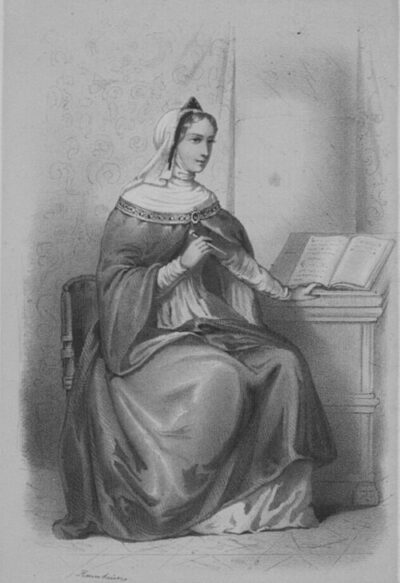
Alexiad
Alexiad is a 12th-century Byzantine history by Anna Komnene. It came out in 1148.
- Came out
- 1148
- Written by
- Anna Komnene
- Genre
- chronicle
- Country of origin
- Byzantine Empire
All 6 facts, and where they come from
Facts
6 facts · 0 confirmed by two sources · 0 cited · 6 from one source
Where this comes from
Papalocal keeps its own record. It started from these sources; what each one said is kept here as it was copied, so a change on their side never changes this page by itself. Tap one to read its version.
What Wikidata says · copied November 17, 2026 · revision 2553702964
- Described as
- 12th-century Byzantine history by Anna Komnene
- Other names
- The Alexiad
- What it is
- literary work
- Written by
- Anna Komnene
- Genre
- chronicle
- Language
- Attic Greek
- Country of origin
- Byzantine Empire · 1 reference
- Came out
- 1148
- Wikipedias with a page
- 44
Wikidata item Q177359 (wikidata.org/wiki/Q177359), public domain (CC0). Copied 2026-11-17.
What Wikipedia says · copied November 17, 2026 · revision 1384234635
The Alexiad (Attic Greek: Ἀλεξιάς, romanized: Alexiás) is a medieval historical and biographical text written around the year 1148, by the Byzantine princess Anna Komnene, daughter of Emperor Alexios I Komnenos. It was written in a form of artificial Attic Greek, the literary dialect of classical Greece. Anna described the political and military history of the Byzantine Empire during the reign of her father, thus providing a significant account on the Byzantium of the High Middle Ages. Among other topics, the Alexiad documents the Byzantine Empire's interaction with the Crusades and highlights the conflicting perceptions of the East and West in the early 12th century. It does not mention the schism of 1054 – a topic which is very common in contemporary writing. It documents firsthand the decline of Byzantine cultural influence in eastern and western Europe, particularly in the West's increasing involvement in its geographic sphere. The Alexiad was paraphrased in vernacular medieval Greek in the mid-14th century to increase its readability, which testifies to the work's lasting interest.
From the Wikipedia article “Alexiad” (en.wikipedia.org/wiki/Alexiad), by its contributors, under CC BY-SA 4.0 (creativecommons.org/licenses/by-sa/4.0/). Copied 2026-11-17; not changed.
Confirmed Two sources agree. Cited One source, and it names where it got it. One source One source, without a reference of its own. Sources disagree The sources disagree. We show the best-supported value and keep theirs below.
Picture: Wikimedia Commons: Anna comnena, alexiade, forse da costantinopoli, XII secolo (pluteo 70.2).jpg · See Commons file page