Almo Sounds
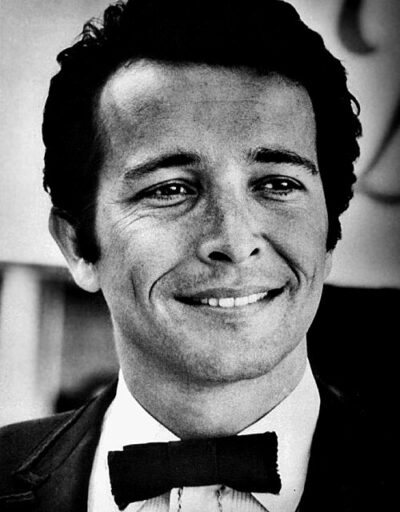
Almo Sounds is a record label. It was founded in 1994 by Herb Alpert and Jerry Moss.
- Founded
- 1994
- Founded by
- Herb Alpert
- Country
- United States
All 7 facts, and where they come from
Facts
7 facts · 0 confirmed by two sources · 0 cited · 7 from one source
Where this comes from
Papalocal keeps its own record. It started from these sources; what each one said is kept here as it was copied, so a change on their side never changes this page by itself. Tap one to read its version.
What Wikidata says · copied November 17, 2026 · revision 2131463027
- Described as
- record label
- What it is
- record label
- Founded
- 1994
- Ended
- 2000
- Founded by
- Herb Alpert; Jerry Moss
- Country
- United States
- Part of
- Interscope Geffen A&M
- Wikipedias with a page
- 1
Wikidata item Q4733859 (wikidata.org/wiki/Q4733859), public domain (CC0). Copied 2026-11-17.
What Wikipedia says · copied November 17, 2026 · revision 1370676075
Almo Sounds was a record label which was started in 1994 by Herb Alpert and Jerry Moss after they sold A&M Records to PolyGram. The intent for the label was to recreate the initial concept of A&M Records as a small, "boutique" label.
The label signed artists Gillian Welch, Imogen Heap, Ozomatli and Garbage and several other artists. Psychic TV did demos that were rejected for the label. Herb Alpert himself released his Second Wind, Passion Dance, and Colours albums on the label.
A Nashville division was launched in 1995. Headed by record producer Garth Fundis, it released albums by Paul Jefferson, Billy Yates, and Bekka & Billy.
The label has not released new product since 1999 and in 2000 it was sold to Universal Music Group. Commercially viable catalog albums remain available through Interscope Records, a current sister label to A&M.
From the Wikipedia article “Almo Sounds” (en.wikipedia.org/wiki/Almo_Sounds), by its contributors, under CC BY-SA 4.0 (creativecommons.org/licenses/by-sa/4.0/). Copied 2026-11-17; not changed.
Confirmed Two sources agree. Cited One source, and it names where it got it. One source One source, without a reference of its own. Sources disagree The sources disagree. We show the best-supported value and keep theirs below.