Alone Again (Naturally)
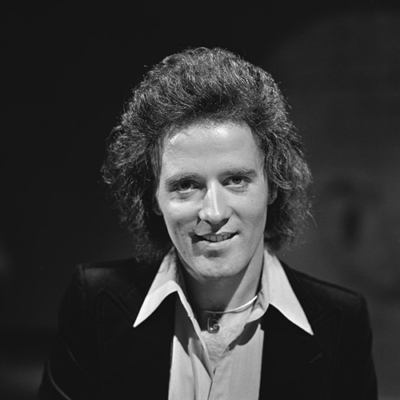
Alone Again (Naturally) is a 1972 single by Gilbert O'Sullivan.
- Released
- 1972
- Performed by
- Gilbert O'Sullivan
- Genre
- pop music
- Country of origin
- United Kingdom
All 8 facts, and where they come from
Facts
8 facts · 0 confirmed by two sources · 0 cited · 8 from one source
Where this comes from
Papalocal keeps its own record. It started from these sources; what each one said is kept here as it was copied, so a change on their side never changes this page by itself. Tap one to read its version.
What Wikidata says · copied November 18, 2026 · revision 2519432118
- Described as
- 1972 single by Gilbert O'Sullivan
- Other names
- Alone Again
- What it is
- single
- Performed by
- Gilbert O'Sullivan
- Genre
- pop music; ballad
- Released
- 1972
- Language
- English
- Country of origin
- United Kingdom
- Record label
- MAM
- Wikipedias with a page
- 12
Wikidata item Q4734394 (wikidata.org/wiki/Q4734394), public domain (CC0). Copied 2026-11-18.
What Wikipedia says · copied November 18, 2026 · revision 1383418357
"Alone Again (Naturally)" (or "Alone Again") is a song by Irish singer-songwriter Gilbert O'Sullivan. Recorded in 1971, it became a worldwide hit. The song did not originally appear on his 1972 studio album Back to Front, but has been included in reissues (often replacing "Clair").
The single spent six non-consecutive weeks at number one on Billboard's Hot 100 between late July and early September 1972 in America. It ranked number two in the year-end chart and sold over two million copies.
The song was involved in a notable 1991 court case in which it set a precedent for the music industry that unauthorized sampling of music can constitute copyright infringement.
From the Wikipedia article “Alone Again (Naturally)” (en.wikipedia.org/wiki/Alone_Again_(Naturally)), by its contributors, under CC BY-SA 4.0 (creativecommons.org/licenses/by-sa/4.0/). Copied 2026-11-18; not changed.
Confirmed Two sources agree. Cited One source, and it names where it got it. One source One source, without a reference of its own. Sources disagree The sources disagree. We show the best-supported value and keep theirs below.