American Athletic Conference Women's Basketball Player of the Year
American Athletic Conference Women's Basketball Player of the Year is a sports award. It was created in 2014.
- Country
- United States
- Created
- 2014
All 4 facts, and where they come from
Facts
4 facts · 0 confirmed by two sources · 0 cited · 4 from one source
Where this comes from
Papalocal keeps its own record. It started from these sources; what each one said is kept here as it was copied, so a change on their side never changes this page by itself. Tap one to read its version.
What Wikidata says · copied November 17, 2026 · revision 2535460438
- What it is
- sports award
- Created
- 2014
- Country
- United States
- Sport
- basketball
- Wikipedias with a page
- 2
Wikidata item Q16246459 (wikidata.org/wiki/Q16246459), public domain (CC0). Copied 2026-11-17.
What Wikipedia says · copied November 17, 2026 · revision 1386213828
The American Conference Women's Basketball Player of the Year is a basketball award given to the American Conference's most outstanding player, as chosen by the league's head coaches. The conference formed in 2013–14 after many schools departed from the original Big East Conference to form a new Big East Conference. The conference was called the American Athletic Conference from its inception up until July 21, 2025, at which time it was formally rebranded.
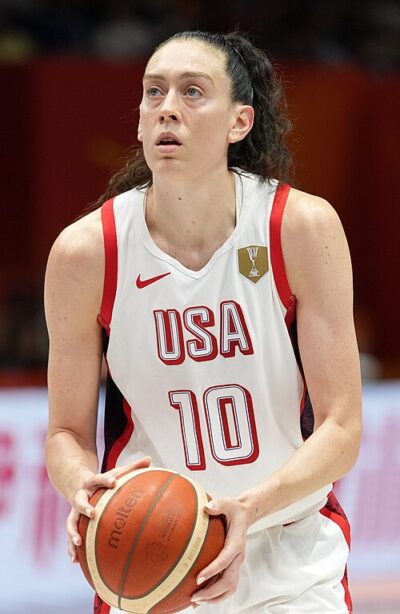
The first seven awards were claimed by players from UConn, which left after the 2019–20 season to join the current Big East, having won every conference game in both regular-season and tournament play during its American tenure. Breanna Stewart won the first three awards in 2014, 2015, and 2016. The following season saw the first-ever shared award, with Napheesa Collier and Katie Lou Samuelson sharing honors. Each would win the award once more as an individual.
From the Wikipedia article “American Conference Women's Basketball Player of the Year” (en.wikipedia.org/wiki/American_Conference_Women's_Basketball_Player_of_the_Year), by its contributors, under CC BY-SA 4.0 (creativecommons.org/licenses/by-sa/4.0/). Copied 2026-11-17; not changed.
Confirmed Two sources agree. Cited One source, and it names where it got it. One source One source, without a reference of its own. Sources disagree The sources disagree. We show the best-supported value and keep theirs below.