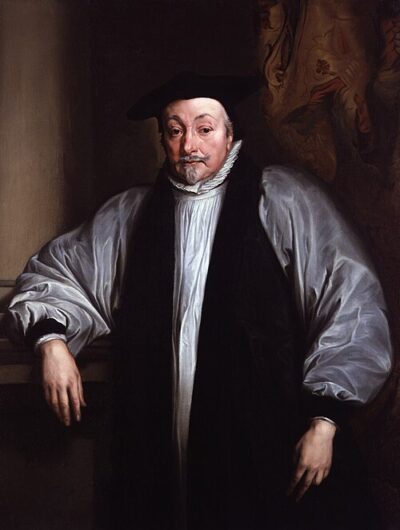
Anglican Bishop of Bath and Wells
Anglican Bishop of Bath and Wells is a Diocesan bishop in the Church of England. It was created in 1569.
- Country
- United Kingdom
- Created
- September 10, 1569
All 3 facts, and where they come from
Facts
3 facts · 0 confirmed by two sources · 0 cited · 3 from one source
Where this comes from
Papalocal keeps its own record. It started from these sources; what each one said is kept here as it was copied, so a change on their side never changes this page by itself. Tap one to read its version.
What Wikidata says · copied November 17, 2026 · revision 2569565418
- Described as
- Diocesan bishop in the Church of England
- Other names
- Bishop of Wells, Bishop of Glastonbury, Bishop of Bath and Glastonbury, Bishop of Bath, Bishop of Bath and Wells
- What it is
- position
- Created
- September 10, 1569
- Country
- United Kingdom
- Wikipedias with a page
- 8
Wikidata item Q1225095 (wikidata.org/wiki/Q1225095), public domain (CC0). Copied 2026-11-17.
What Wikipedia says · copied November 17, 2026 · revision 1370659423
The bishop of Bath and Wells is the diocesan bishop of the diocese of Bath and Wells in the Church of England. The bishop's seat, or cathedra, is at the Cathedral Church of Saint Andrew in the city of Wells. The diocese covers most of Somerset and a small part of Dorset.
From 1090 until the Reformation the Abbey Church of St Peter and Paul in the city of Bath was also a cathedral of the diocese, and the double name has been retained. The bishop has the right, together with the bishop of Durham, to escort the sovereign at the coronation. The bishop's residence is the Bishop's Palace, Wells.
From the Wikipedia article “Bishop of Bath and Wells” (en.wikipedia.org/wiki/Bishop_of_Bath_and_Wells), by its contributors, under CC BY-SA 4.0 (creativecommons.org/licenses/by-sa/4.0/). Copied 2026-11-17; not changed.
Confirmed Two sources agree. Cited One source, and it names where it got it. One source One source, without a reference of its own. Sources disagree The sources disagree. We show the best-supported value and keep theirs below.