Anne of Ingleside
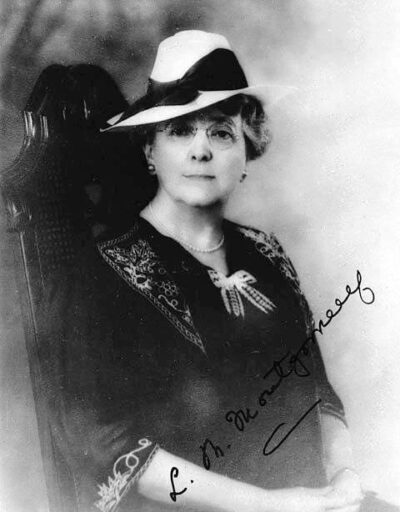
Anne of Ingleside is a novel by Lucy Maud Montgomery. It came out in 1939. It is part of Anne of Green Gables.
- Published
- August 1939
- Written by
- Lucy Maud Montgomery
- Genre
- children's fiction
- Country of origin
- Canada
All 10 facts, and where they come from
Facts
10 facts · 0 confirmed by two sources · 0 cited · 10 from one source
Where this comes from
Papalocal keeps its own record. It started from these sources; what each one said is kept here as it was copied, so a change on their side never changes this page by itself. Tap one to read its version.
What Wikidata says · copied November 16, 2026 · revision 2501974251
- Described as
- novel by Lucy Maud Montgomery
- What it is
- literary work
- Written by
- Lucy Maud Montgomery
- Publisher
- Keter Publishing House · 1 reference
- Genre
- children's fiction · 1 reference
- Published
- August 1939
- Language
- English
- Country of origin
- Canada
- Part of the series
- Anne of Green Gables
- Comes after
- Anne's House of Dreams
- Followed by
- Rainbow Valley
- Wikipedias with a page
- 16
Wikidata item Q2562708 (wikidata.org/wiki/Q2562708), public domain (CC0). Copied 2026-11-16.
What Wikipedia says · copied November 16, 2026 · revision 1384239417
Anne of Ingleside is a children's novel by Canadian author Lucy Maud Montgomery. It was first published in July 1939 by McClelland and Stewart (Toronto) and the Frederick A. Stokes Company (New York). It is the tenth of eleven books that feature the character of Anne Shirley, and Montgomery's final published novel.
Chronologically, Anne of Ingleside precedes Rainbow Valley, which was published years earlier. In addition, a short story collection The Blythes Are Quoted, written in 1941-42 but published in 2009, concludes the Anne stories.
The book's United States copyright was renewed in 1967.
From the Wikipedia article “Anne of Ingleside” (en.wikipedia.org/wiki/Anne_of_Ingleside), by its contributors, under CC BY-SA 4.0 (creativecommons.org/licenses/by-sa/4.0/). Copied 2026-11-16; not changed.
Confirmed Two sources agree. Cited One source, and it names where it got it. One source One source, without a reference of its own. Sources disagree The sources disagree. We show the best-supported value and keep theirs below.